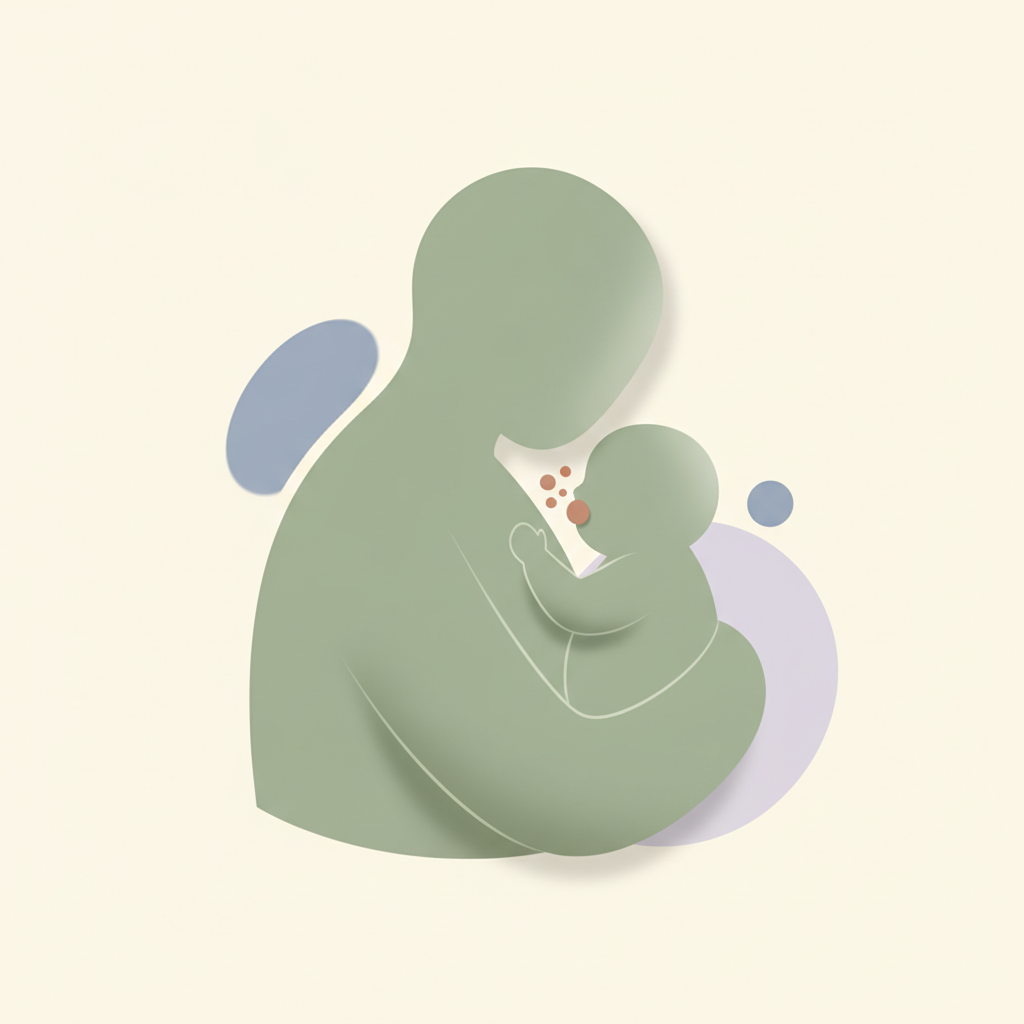
Spitting up is extremely common in infants and, on its own, usually isn't a medical concern — it happens because a baby's LES is still immature and because they consume a large volume of liquid relative to their size. Normal spit-up typically doesn't bother the baby much, doesn't affect weight gain, and gradually decreases as the LES matures, often resolving by 12–18 months. Infant reflux disease (GERD) is different: it involves the same physical process but with signs of real discomfort — arching the back during or after feeds, unusual irritability, difficulty settling, poor weight gain, frequent coughing or choking during feeds, or refusing to eat. The distinction matters because ordinary spit-up needs no treatment, while infant GERD may need a pediatrician's evaluation and, in some cases, feeding adjustments or treatment. Volume of spit-up alone isn't the deciding factor — a baby who spits up a lot but feeds well, gains weight, and seems comfortable is usually fine.