Breathing exercises target reflux indirectly but through a real mechanism: the diaphragm sits right next to the lower esophageal sphincter, and diaphragmatic breathing exercises have been studied for their ability to strengthen the muscles around the LES over time, potentially making it more resistant to reflux.
A basic diaphragmatic breathing exercise
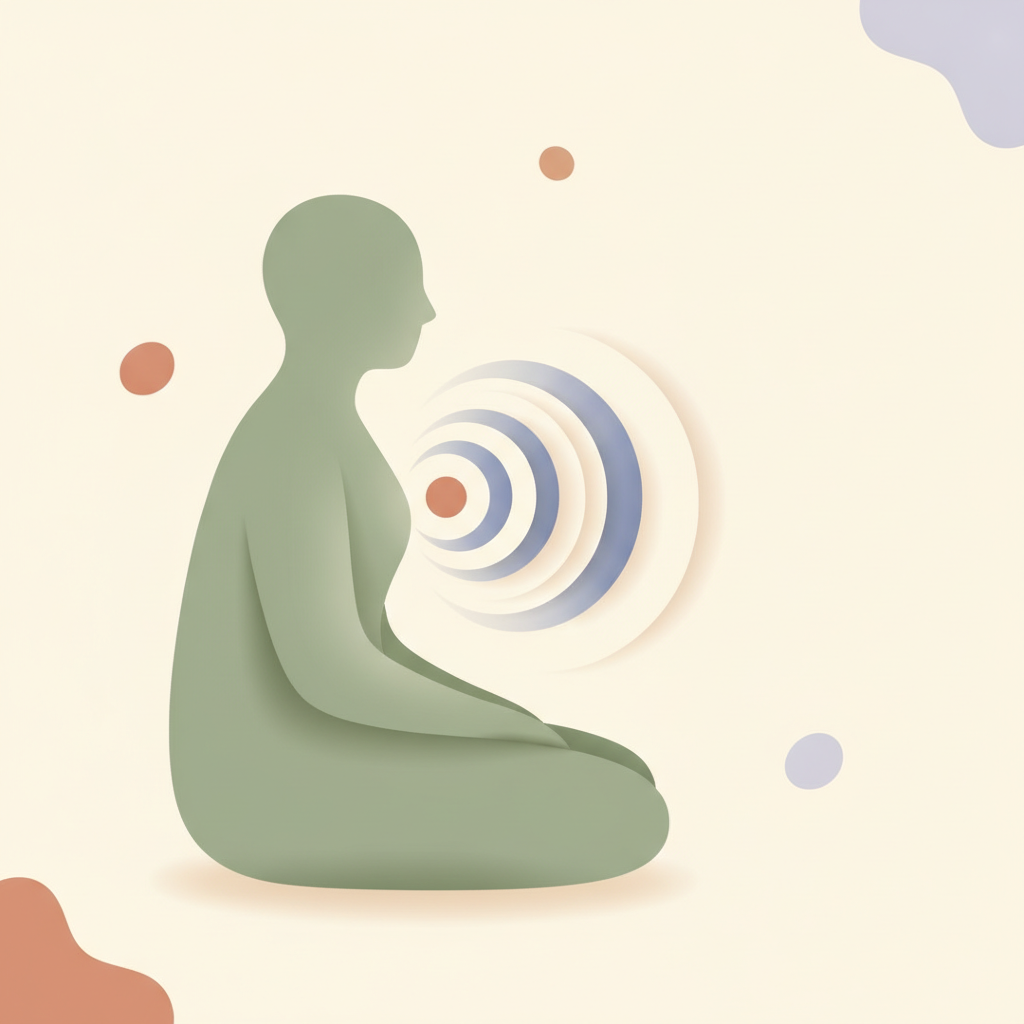
Sitting or lying comfortably, place one hand on your chest and one on your stomach. Breathe in slowly through your nose so that the hand on your stomach rises more than the one on your chest, hold briefly, then exhale slowly through pursed lips. Repeating this for five to ten minutes, ideally daily, is the pattern most commonly used in the research on this approach.
Why this is different from most quick fixes
Unlike an antacid or a positional change, diaphragmatic breathing is aimed at a longer-term, structural benefit rather than immediate symptom relief — it's more comparable to a strengthening exercise than a remedy for an active episode. Consistency over weeks, not a single session, is what the studied benefit is based on.
Stress connection
Slow, controlled breathing also reduces stress hormones that can contribute to reflux symptoms, so part of the benefit may come from that pathway as well as the direct muscular one — which is part of why this habit shows up in both reflux and stress-management advice.