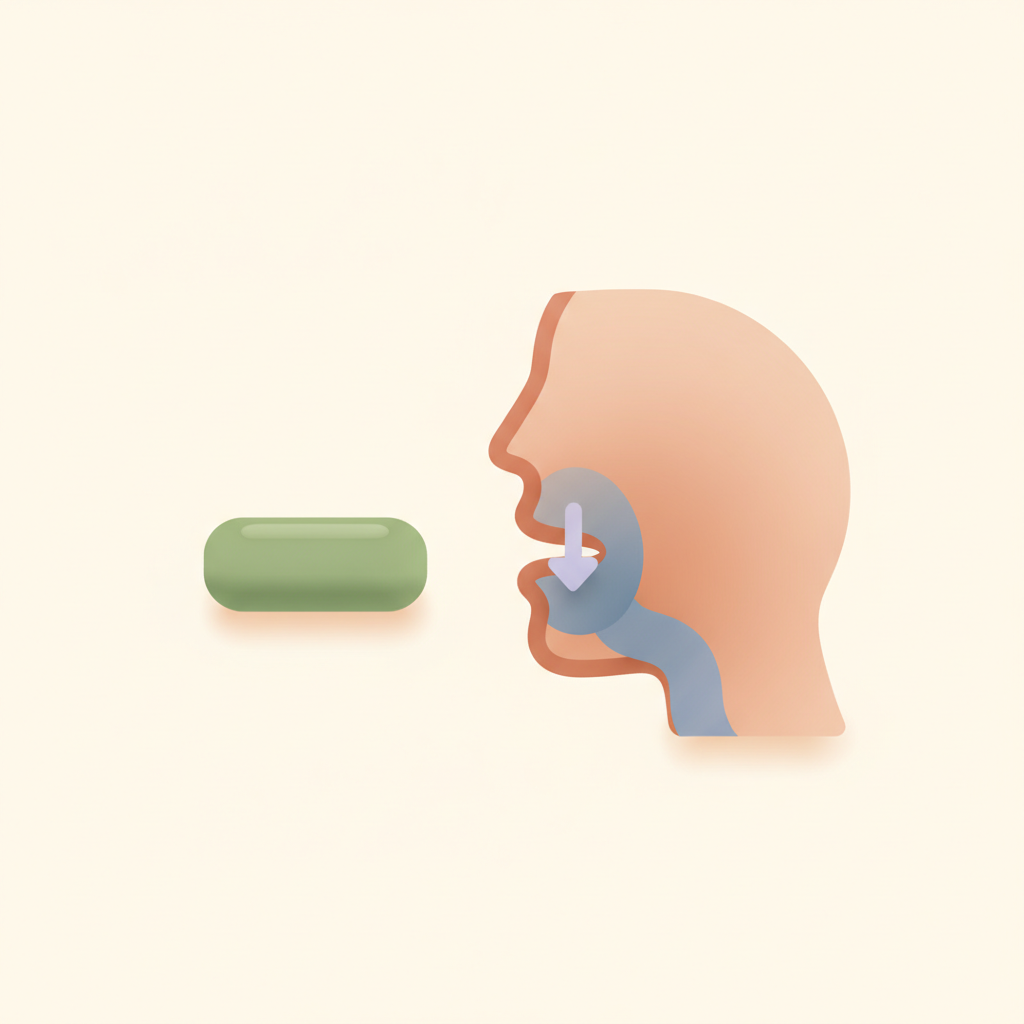
Chewing gum after meals is a small, low-effort habit with real evidence behind it — chewing stimulates saliva production, and saliva helps neutralize acid and clear it from the esophagus, which is genuinely relevant to how reflux is triggered and resolved.
Why this specifically helps
Swallowing (which happens more often while chewing gum) is one of the body's main mechanisms for clearing acid that's made its way into the esophagus. This is part of why lying down, which reduces swallowing frequency, makes nighttime reflux worse — chewing gum works through the opposite effect.
Getting the details right
Sugar-free gum avoids adding unnecessary sugar to a habit meant to be reflux-friendly, and non-mint flavors (cinnamon, fruit) avoid the LES-relaxing effect that mint can have in sensitive people. Chewing for twenty to thirty minutes after a meal, rather than all day, targets the window when reflux is most likely.
Where this fits in overall management
Chewing gum is a supportive habit, not a primary treatment — useful alongside other changes (meal size, timing, trigger avoidance) rather than as a stand-alone fix for frequent or severe symptoms.