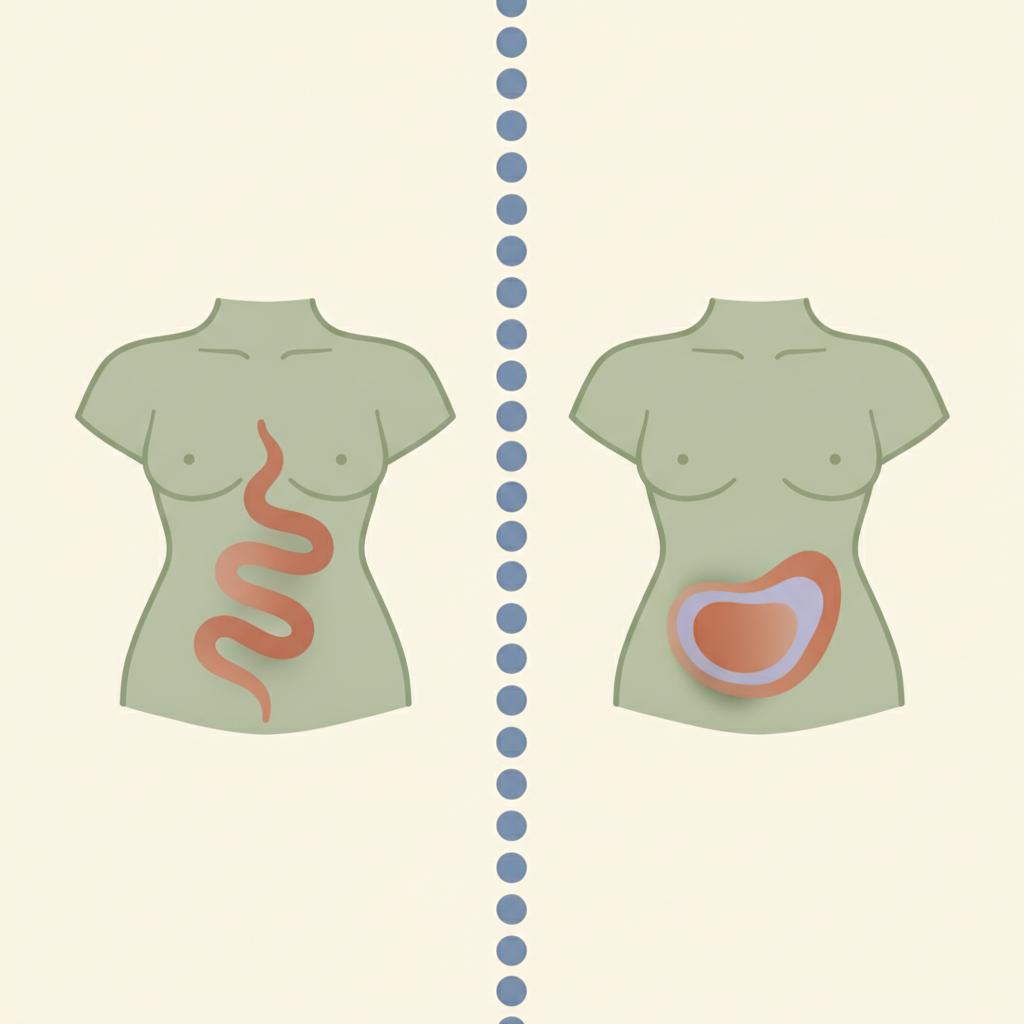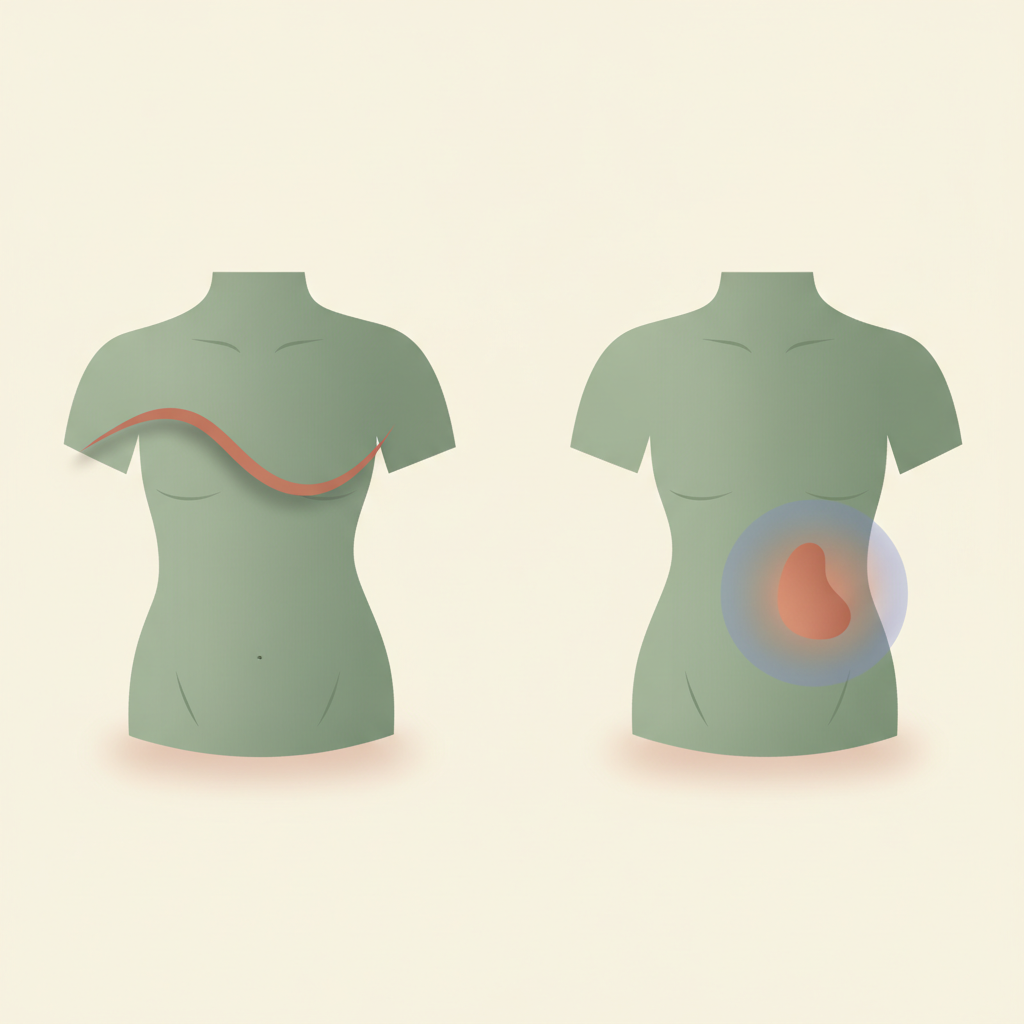

Dyspepsia (indigestion) and GERD are related but distinct diagnoses, and there's actually meaningful overlap in how they're classified, which can make the terminology itself a bit confusing.
How dyspepsia is generally defined
Dyspepsia is a broader term for upper abdominal discomfort, fullness, bloating, or early satiety, without necessarily including the specific acid-reflux-into-the-esophagus mechanism that defines GERD. It's sometimes described as "functional" when no clear structural or other cause is identified after appropriate testing.
Where GERD fits into or alongside dyspepsia
Someone can have GERD without dyspepsia (classic heartburn and regurgitation without the broader stomach discomfort), dyspepsia without GERD (stomach discomfort without the acid-reflux mechanism), or both together, since the two aren't mutually exclusive and can share some underlying contributing factors.
Why getting the terminology right matters for treatment
Treatment approaches can differ somewhat — GERD treatment centers heavily on acid suppression, while functional dyspepsia sometimes involves additional approaches addressing stomach motility or sensitivity, since acid suppression alone doesn't always fully address dyspepsia symptoms if the reflux mechanism isn't the primary driver. If typical reflux treatment doesn't fully resolve your symptoms, it's worth discussing with a doctor whether dyspepsia, rather than or in addition to GERD, might better describe what's happening.