
Esophageal manometry measures the pressure and coordination of muscle contractions in the esophagus, which is a different piece of information than what an endoscopy or pH test provides.
What it's actually checking
Rather than looking at acid or visible tissue damage, manometry assesses how well the esophagus muscles are functioning — whether they're contracting in the right sequence to move food down properly, and how well the lower esophageal sphincter is functioning as a barrier. This is particularly relevant when swallowing difficulty is part of the picture, since a motility problem can sometimes look similar to reflux on the surface.
When it's typically ordered
Manometry is commonly done before reflux surgery is considered, to confirm the esophagus is functioning well enough to benefit from a procedure like fundoplication, and it's also used when swallowing difficulty is present alongside reflux symptoms, to distinguish a motility disorder from reflux-related causes.
How the test is performed
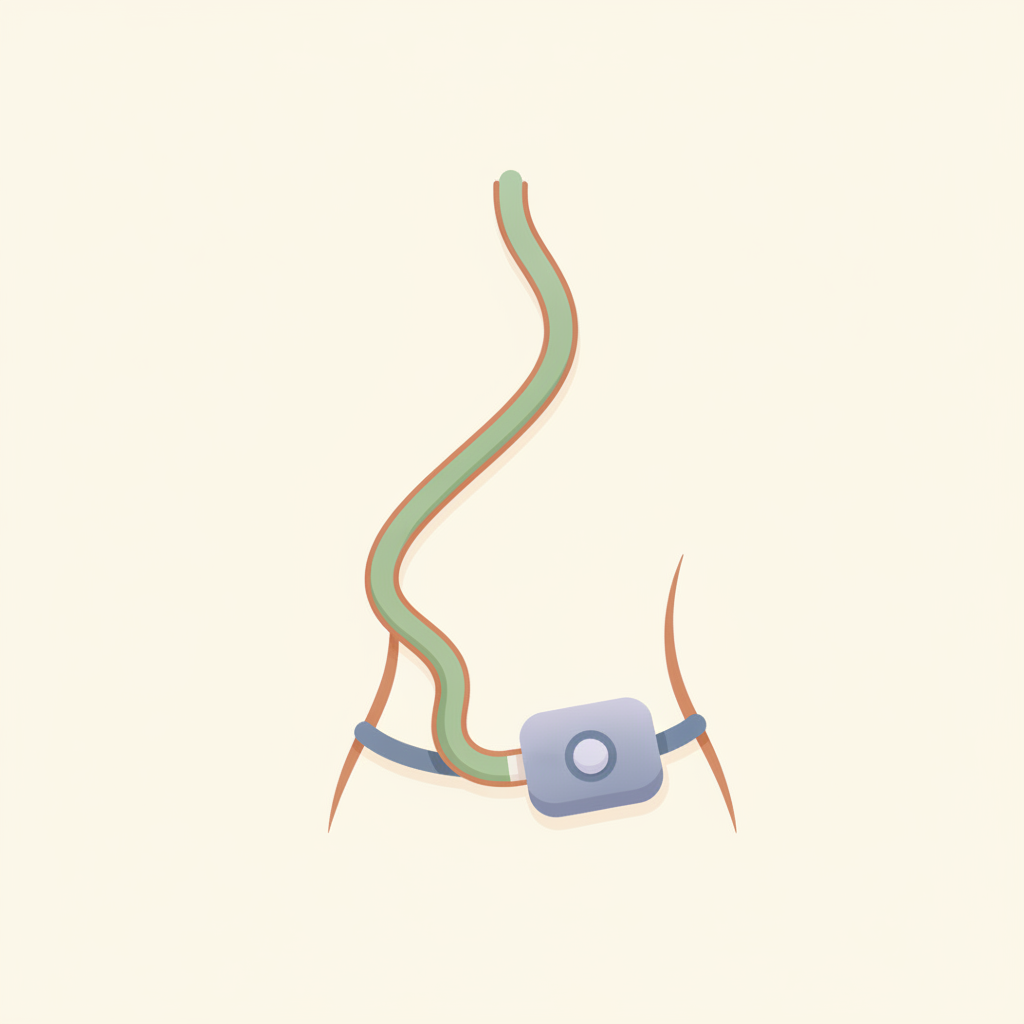
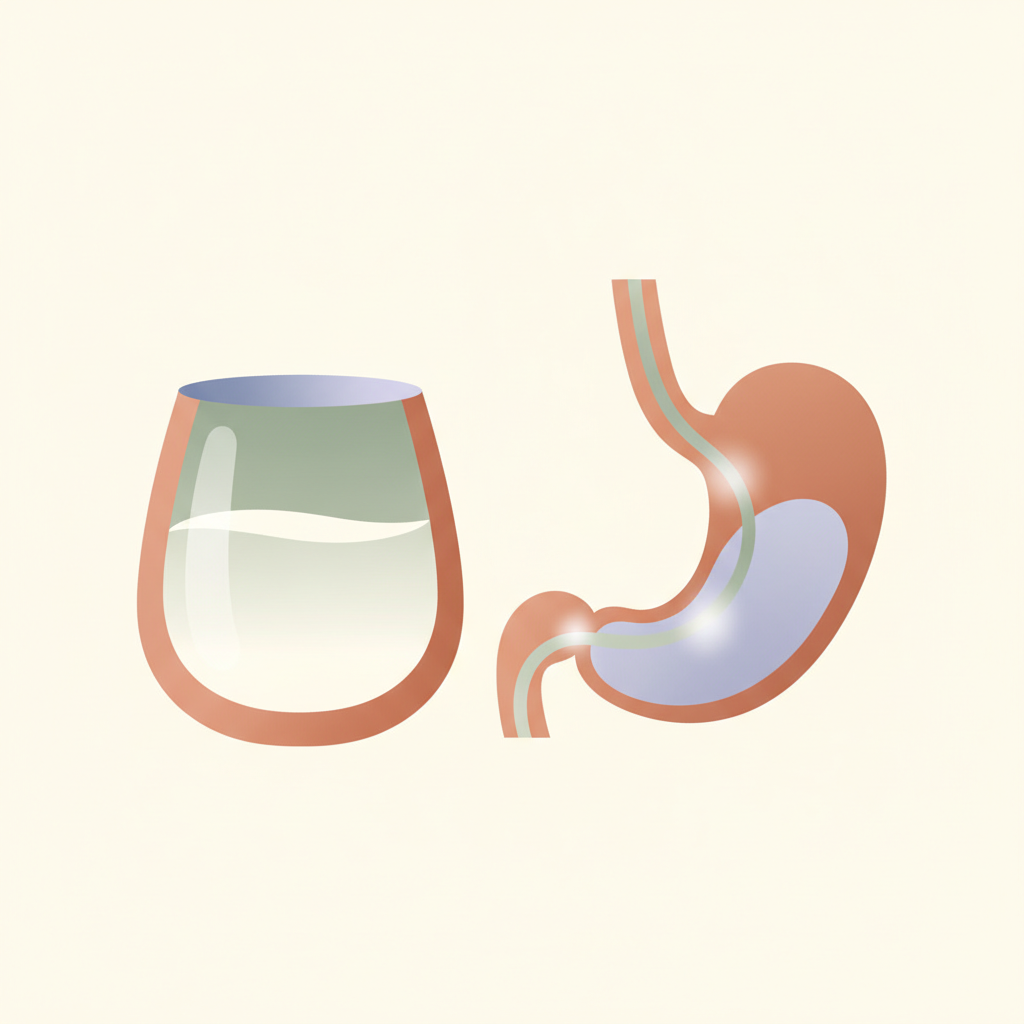
A thin, flexible tube with pressure sensors is passed through the nose into the esophagus, and you're asked to swallow small amounts of water while the sensors record pressure patterns along the length of the esophagus. It's generally a relatively quick outpatient test, though similarly to the pH test, it involves some initial discomfort from the tube placement.