GERD and irritable bowel syndrome (IBS) are separate conditions affecting different parts of the digestive tract, but they share enough overlapping symptoms and co-occur often enough that distinguishing them — or recognizing you might have both — is genuinely useful.
Where the conditions differ
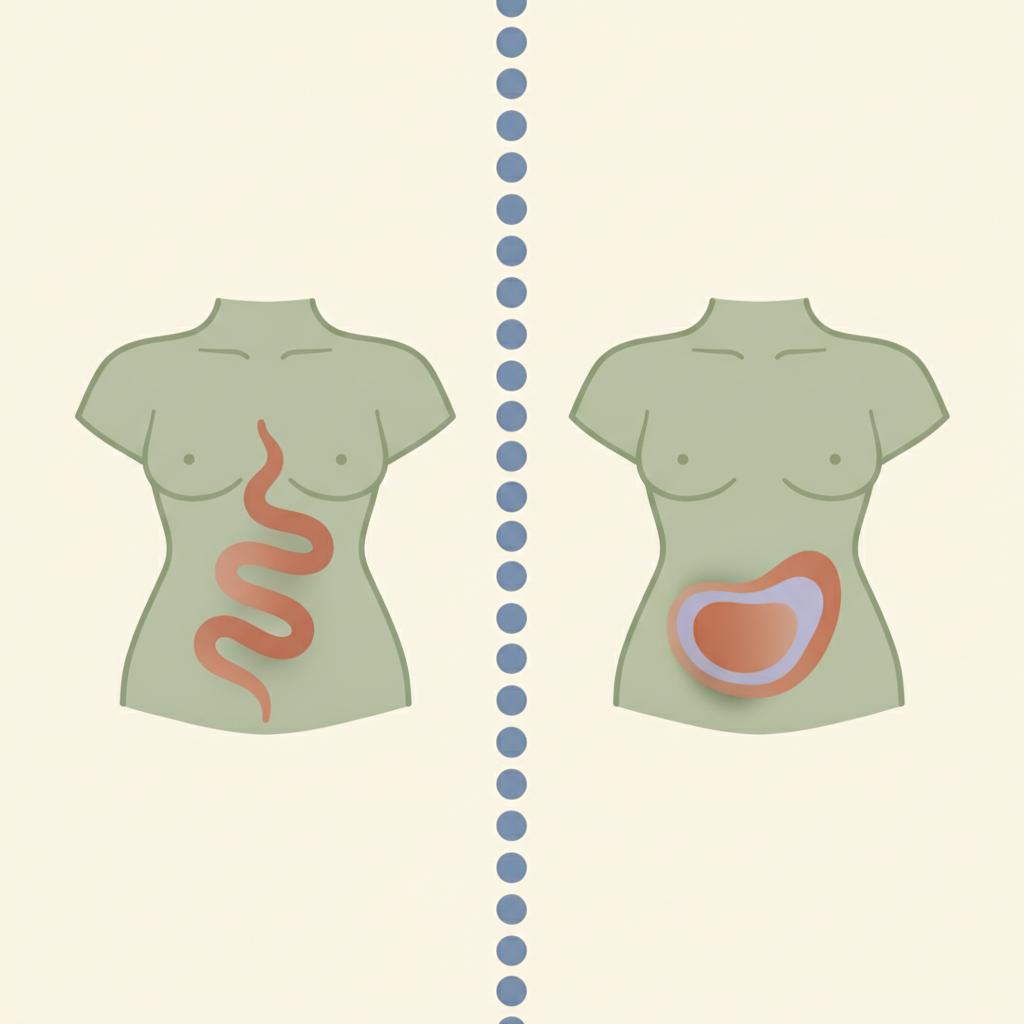
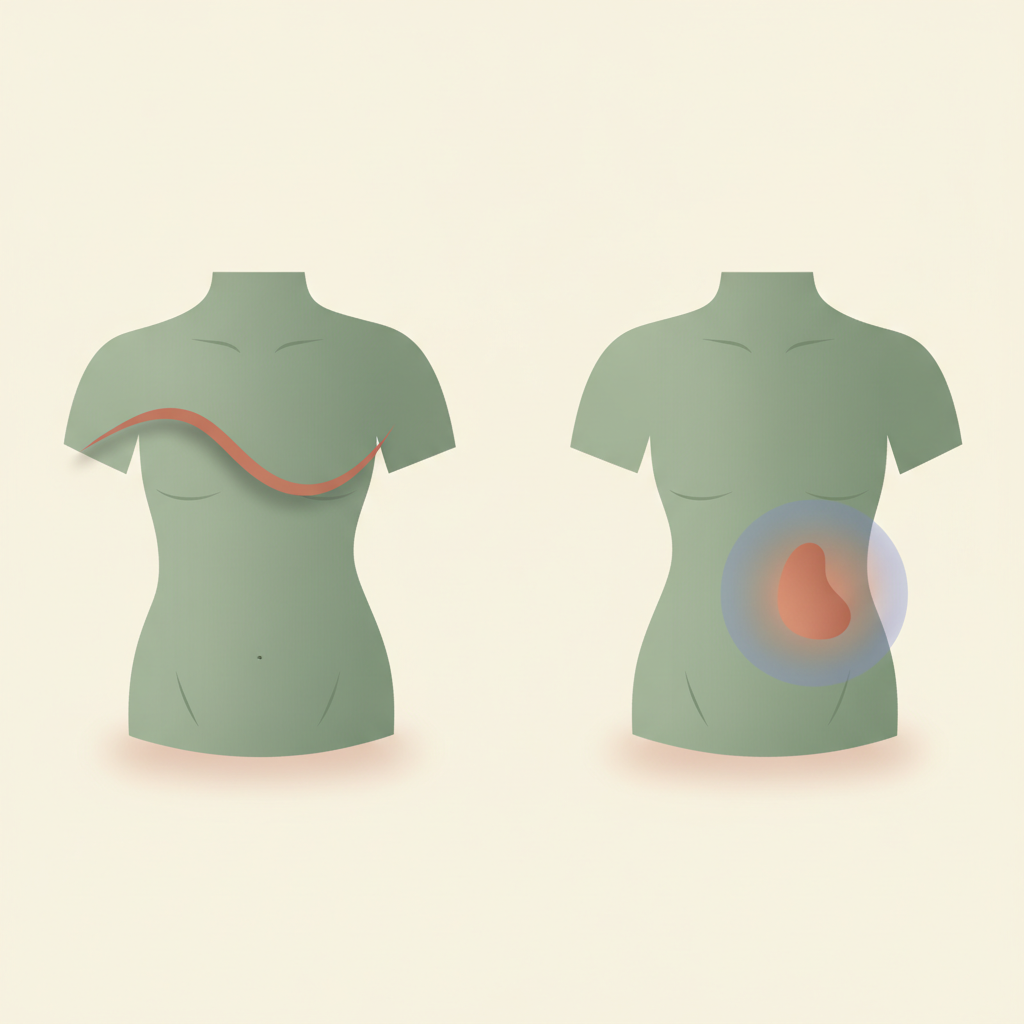
GERD centers on the upper digestive tract — the esophagus and the acid moving up from the stomach — with symptoms like heartburn and regurgitation. IBS affects the lower digestive tract, with symptoms centered on altered bowel habits (diarrhea, constipation, or both), abdominal pain that's often related to bowel movements, and bloating.
Where symptoms overlap or coexist
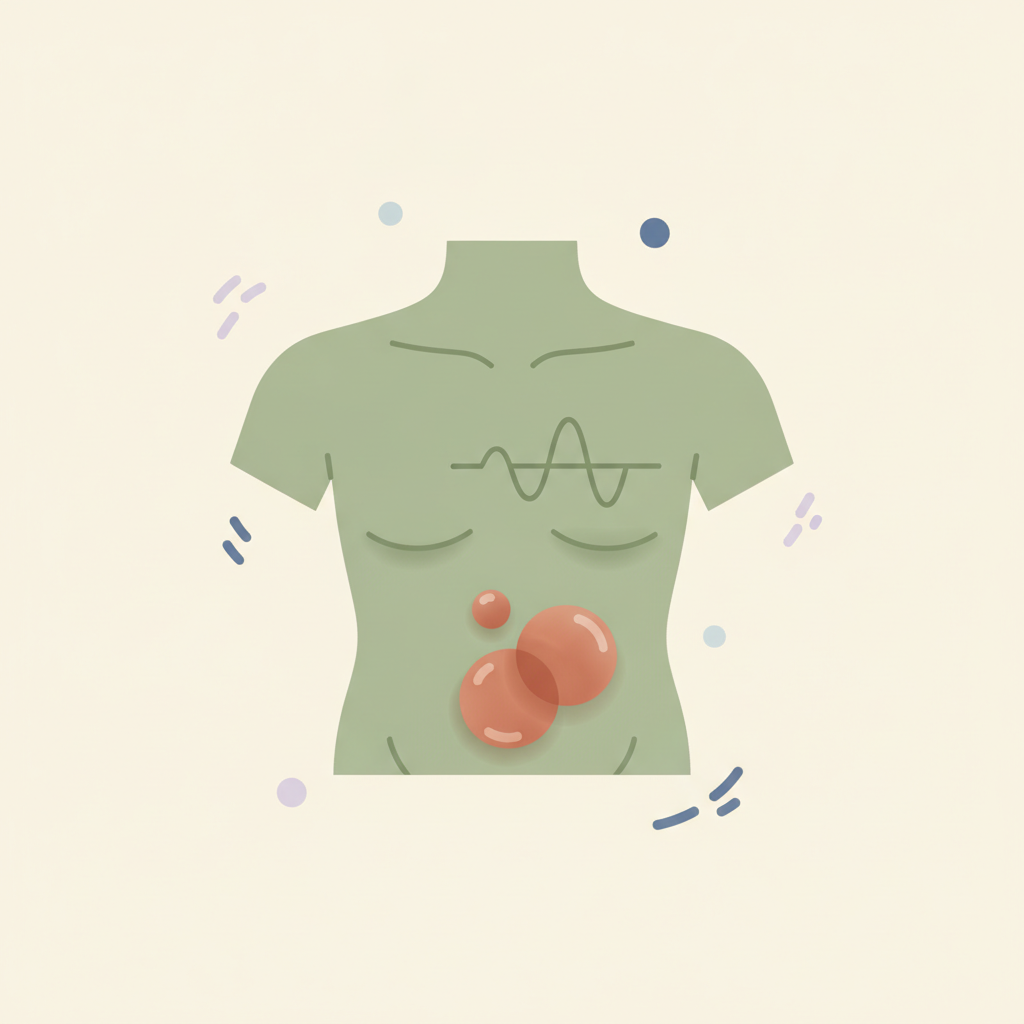
Both conditions can cause bloating and general abdominal discomfort, and research has found that people with GERD have a notably higher likelihood of also having IBS compared to the general population, suggesting some shared underlying factors (possibly related to gut motility or sensitivity) even though they're formally distinct diagnoses.
Why it's worth identifying both if present
Treating only one condition when both are present often leaves some symptoms unaddressed — someone treated successfully for GERD who still has ongoing bowel-related symptoms may actually have untreated IBS alongside their reflux, and vice versa. If your symptoms don't fully resolve with reflux treatment alone, it's worth mentioning the fuller symptom picture (including any bowel habit changes) to your doctor rather than assuming persistent discomfort is simply undertreated reflux.