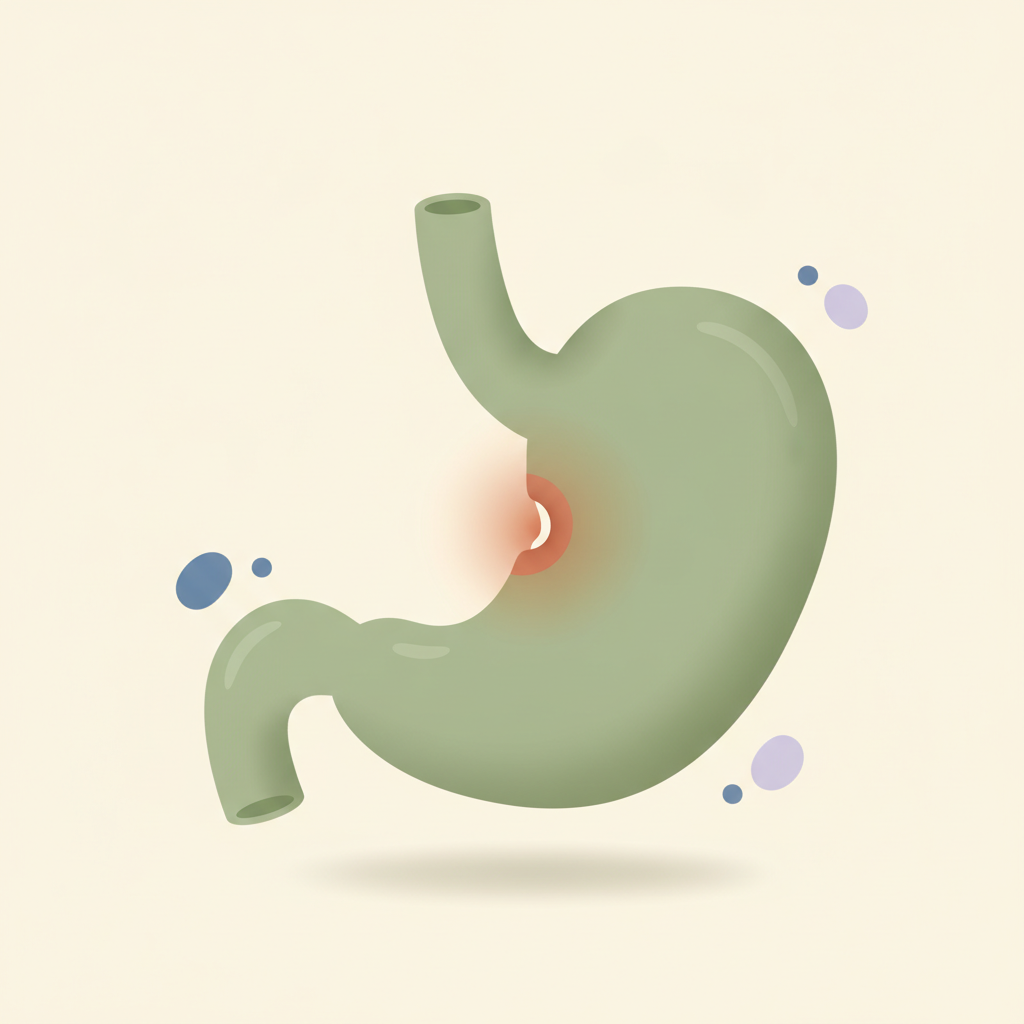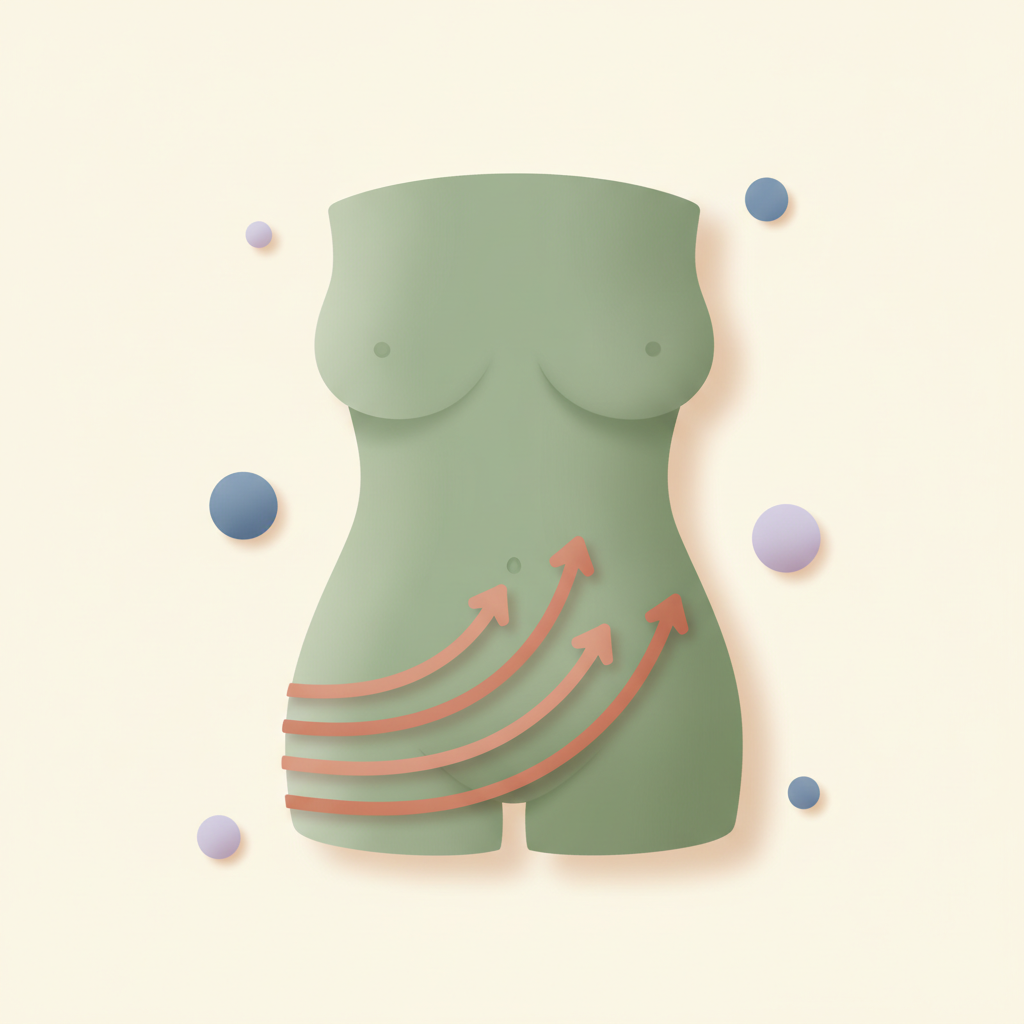
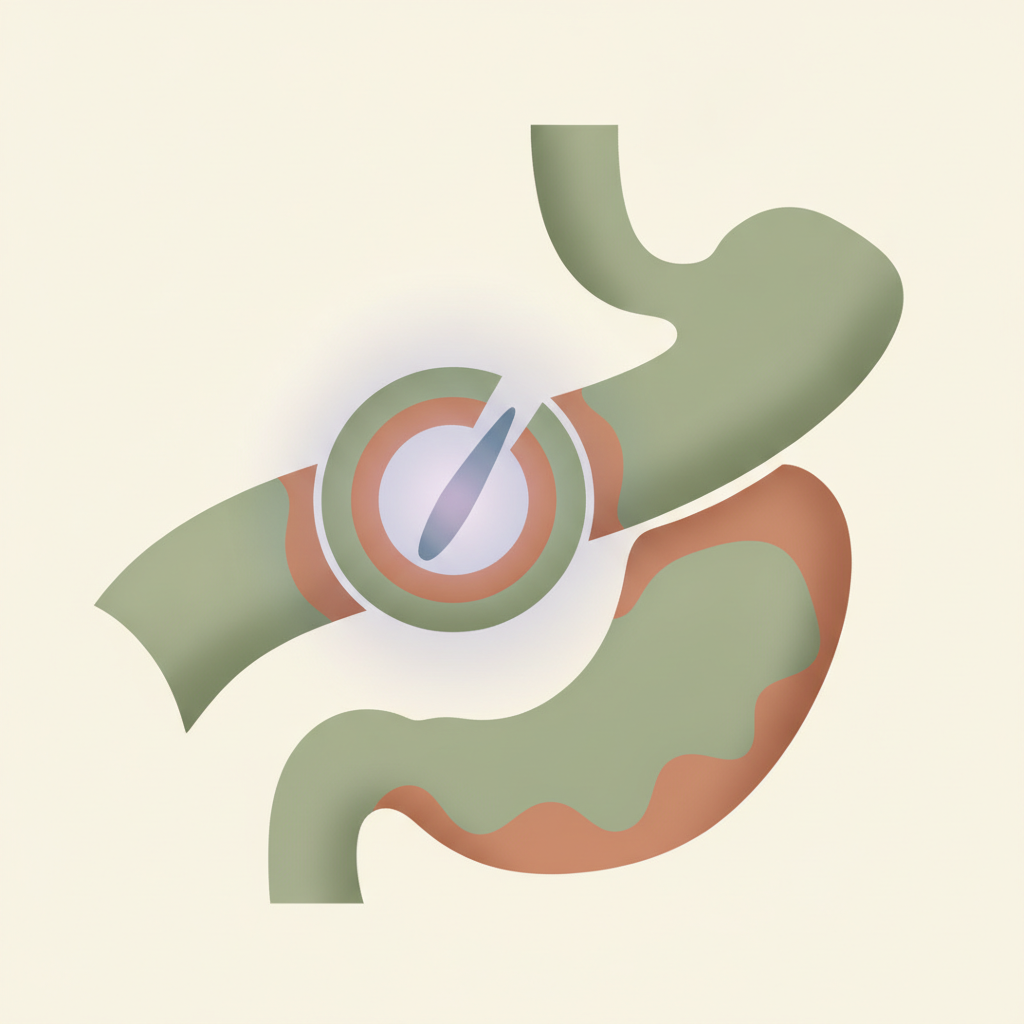
The LES is supposed to stay closed except when swallowing, food is being digested, or you need to burp. In people with reflux, it opens more often than it should, or doesn't close fully afterward. This can happen for a few reasons: the muscle tone of the LES itself weakens, which becomes more common with age; a hiatal hernia physically shifts part of the stomach above the diaphragm, disrupting the mechanical support that normally helps keep the LES shut; and certain substances — caffeine, alcohol, nicotine, and some medications — relax the muscle directly. Chronic pressure from obesity or pregnancy pushes up against the valve from below, making it harder for it to stay closed even at normal tone. None of these causes are typically permanent or untreatable on their own, which is why addressing the specific contributing factor — rather than just treating symptoms — often improves things over time.