The LINX device is a newer, less invasive alternative to traditional fundoplication surgery, using a different mechanical approach to reinforce the lower esophageal sphincter.
How the device works
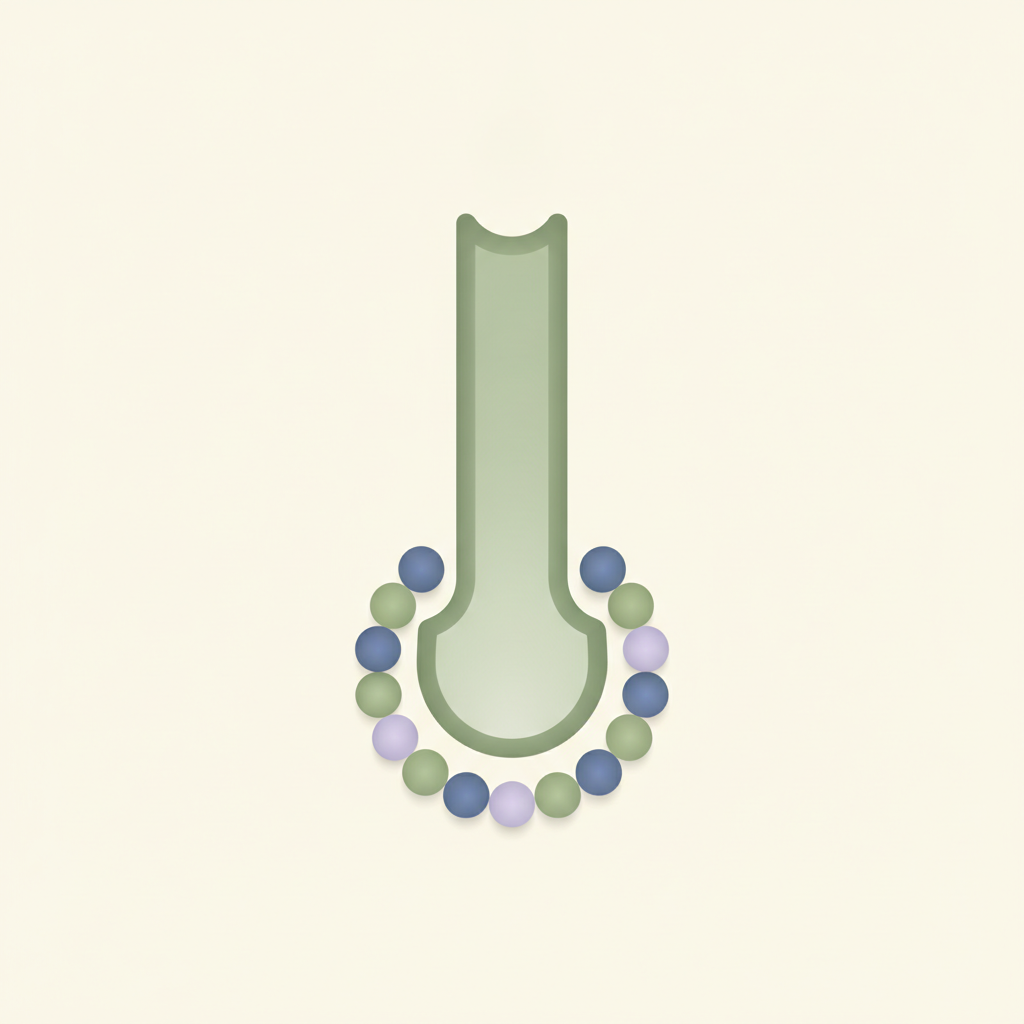
LINX consists of a small ring of magnetic titanium beads that's surgically placed around the lower esophageal sphincter. The magnetic attraction between the beads keeps the sphincter gently closed at rest, helping prevent reflux, while still allowing the beads to separate enough for food to pass through normally during swallowing, since the pressure from swallowing overcomes the magnetic attraction.
How it compares to fundoplication
The LINX procedure is generally considered less invasive and technically simpler than a full fundoplication, since it doesn't involve wrapping stomach tissue, and some patients report an easier recovery and fewer of the side effects (like difficulty burping or bloating) sometimes associated with fundoplication. It's generally considered for a somewhat narrower group of candidates, particularly those without a large hiatal hernia, since the device works best when the anatomy is relatively straightforward.
Who might be a candidate
Similar to fundoplication, LINX is generally considered for people with confirmed GERD who haven't achieved adequate relief with medication or who prefer not to remain on long-term medication, following a thorough evaluation to determine anatomical suitability for the device specifically.