Yoga can be genuinely helpful for reflux through stress reduction and gentle movement, but certain poses work directly against the goal by compressing the abdomen or inverting the body, both of which can push stomach contents toward the esophagus.
Poses worth avoiding or modifying
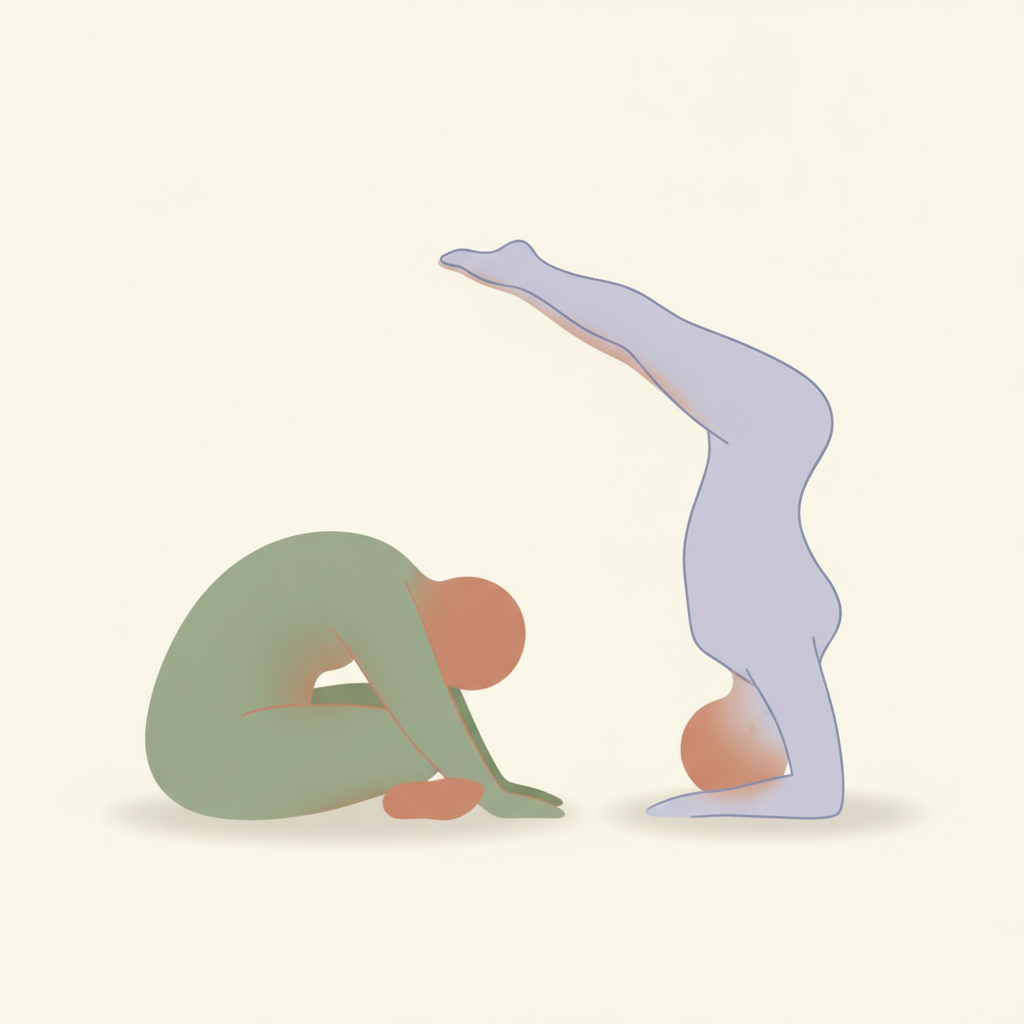
- Forward folds that compress the stomach, especially soon after eating
- Deep twists that put pressure on the abdomen
- Inversions (headstands, shoulder stands, or even a simple downward dog held for a long time) that put the stomach below the esophagus
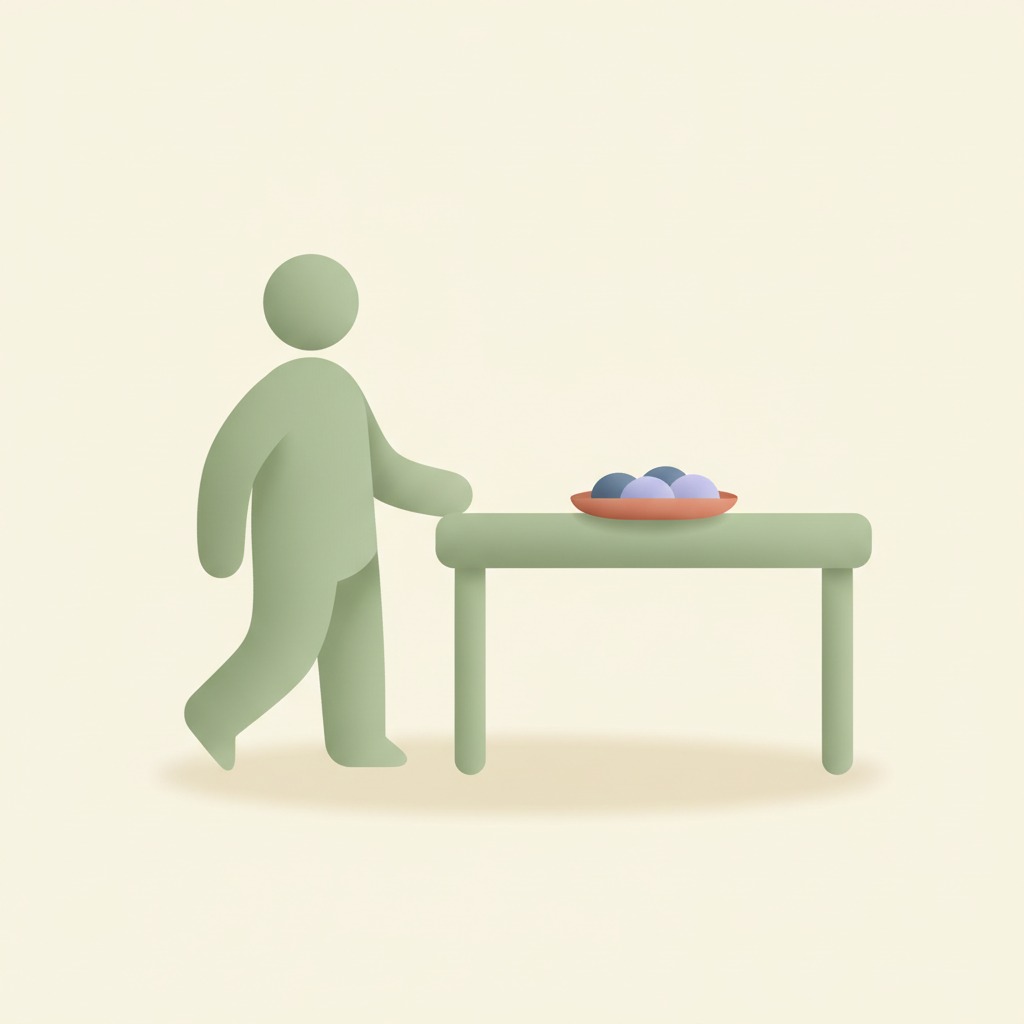
- Any pose held on a full stomach, regardless of which one it is — timing matters as much as the specific pose
Poses that tend to be more reflux-friendly
Gentle standing poses, seated poses with an upright spine, and restorative poses that don't compress the torso are generally safer choices. Practicing on an empty stomach, or waiting at least two to three hours after a meal, matters more than avoiding any single pose entirely.
The broader benefit
Separate from the specific poses, yoga's stress-reduction effect is itself relevant to reflux, since stress can worsen symptoms through several pathways. A gentle, restorative practice — done at the right time relative to meals — offers a real benefit even for people who need to modify or skip certain poses.