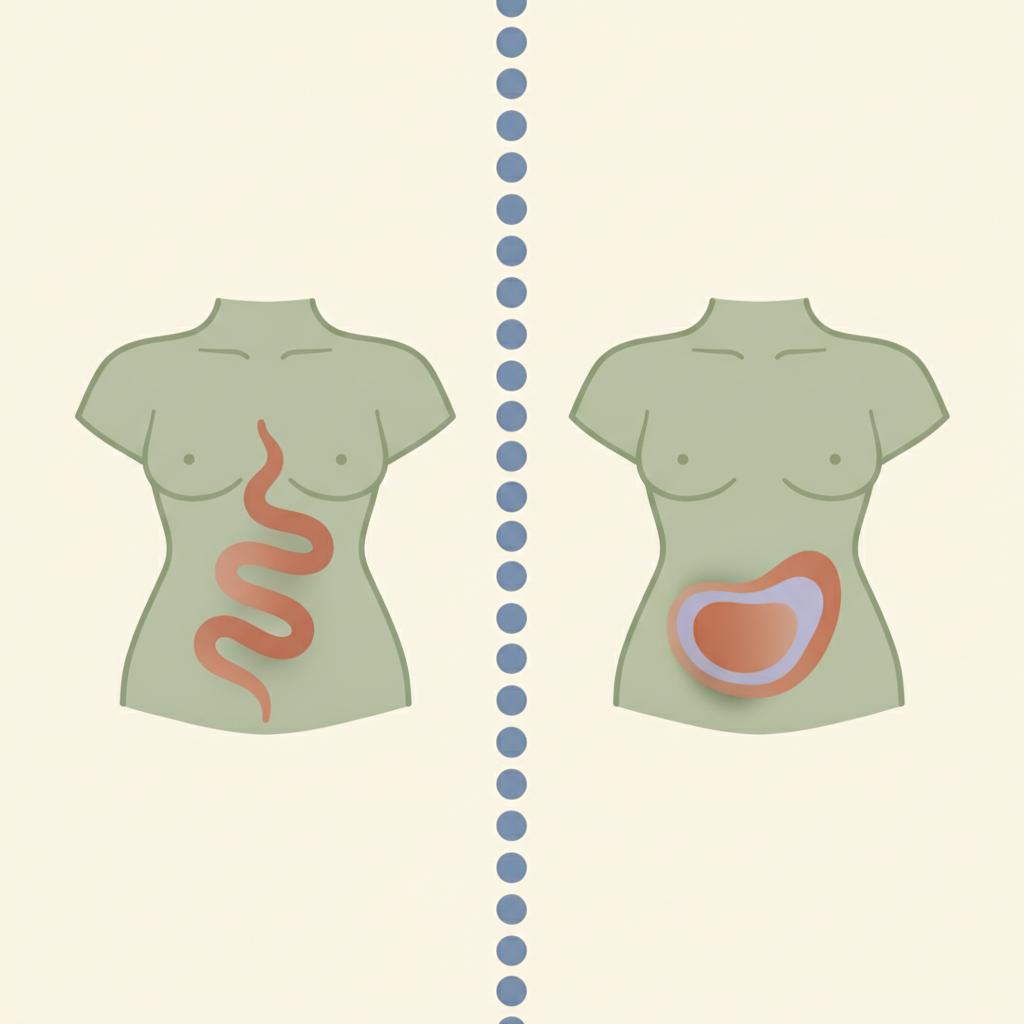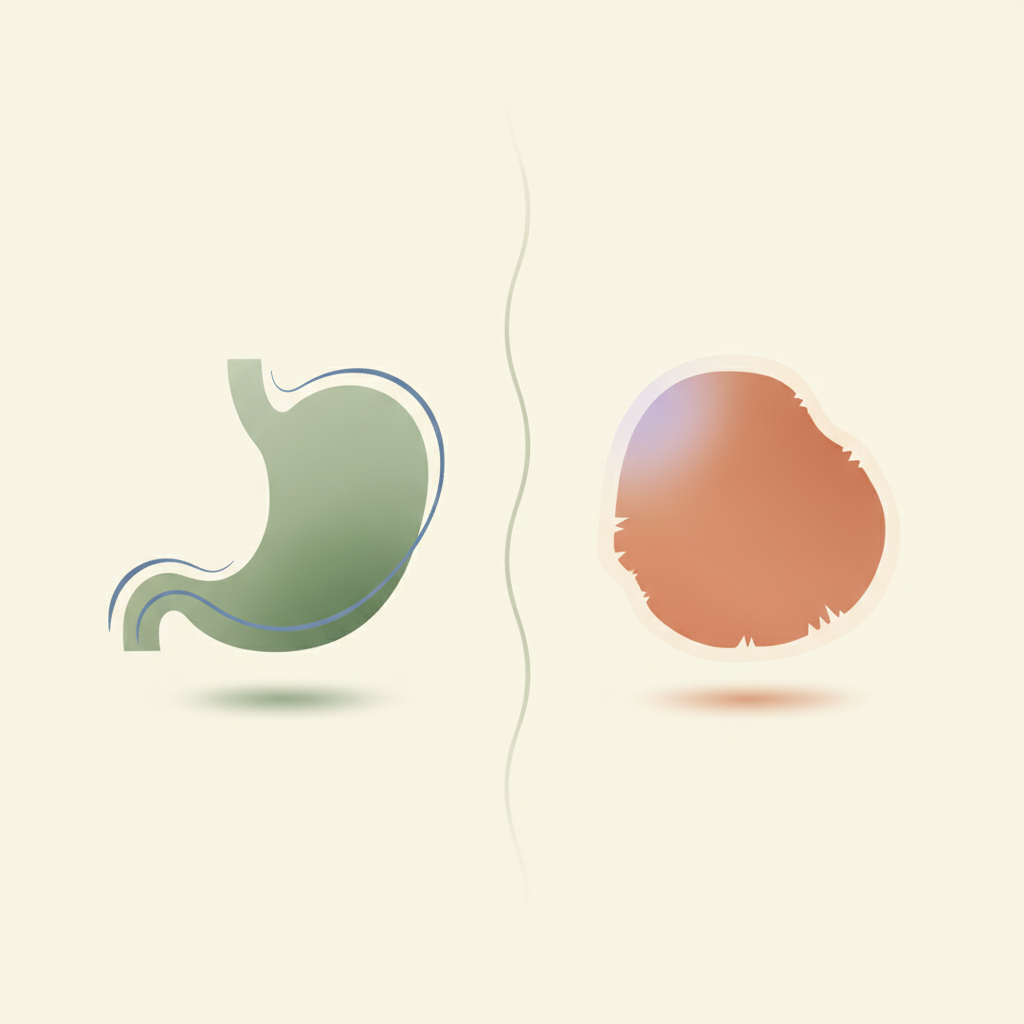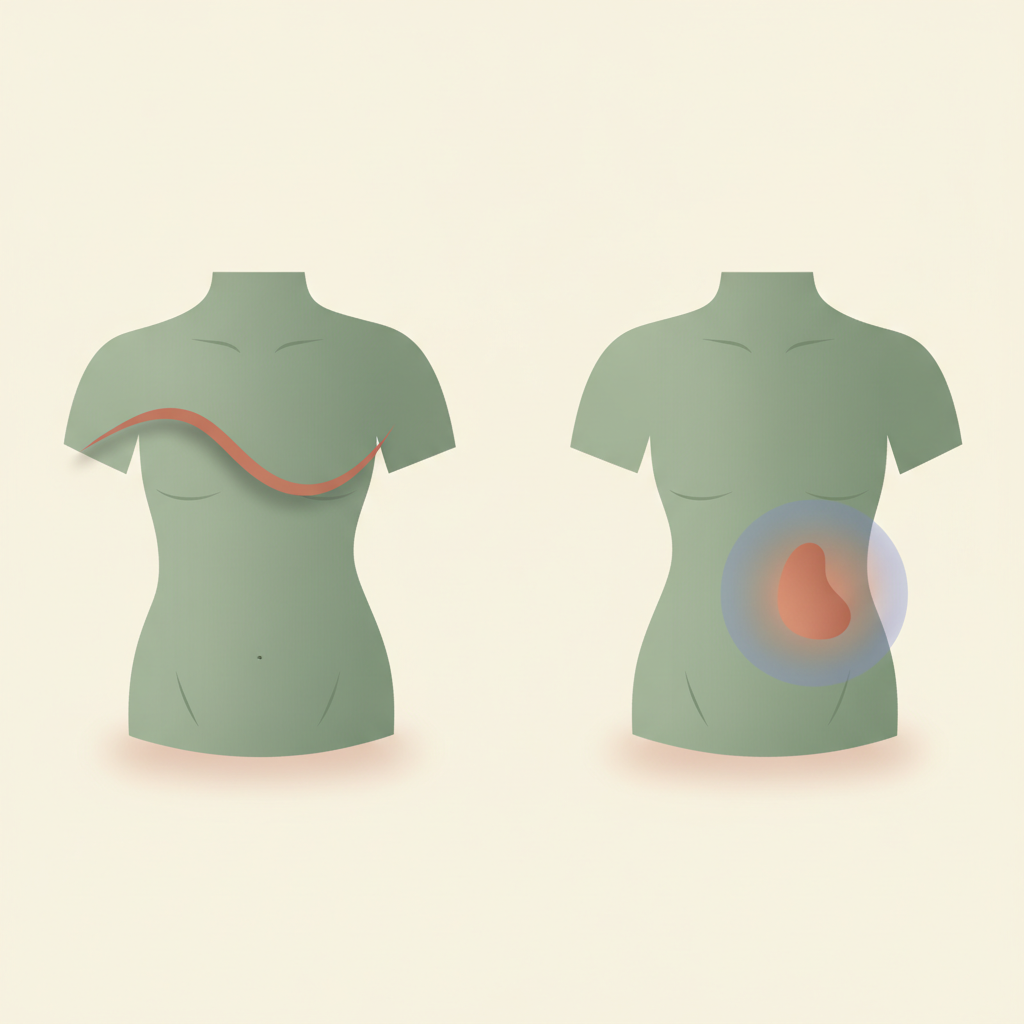
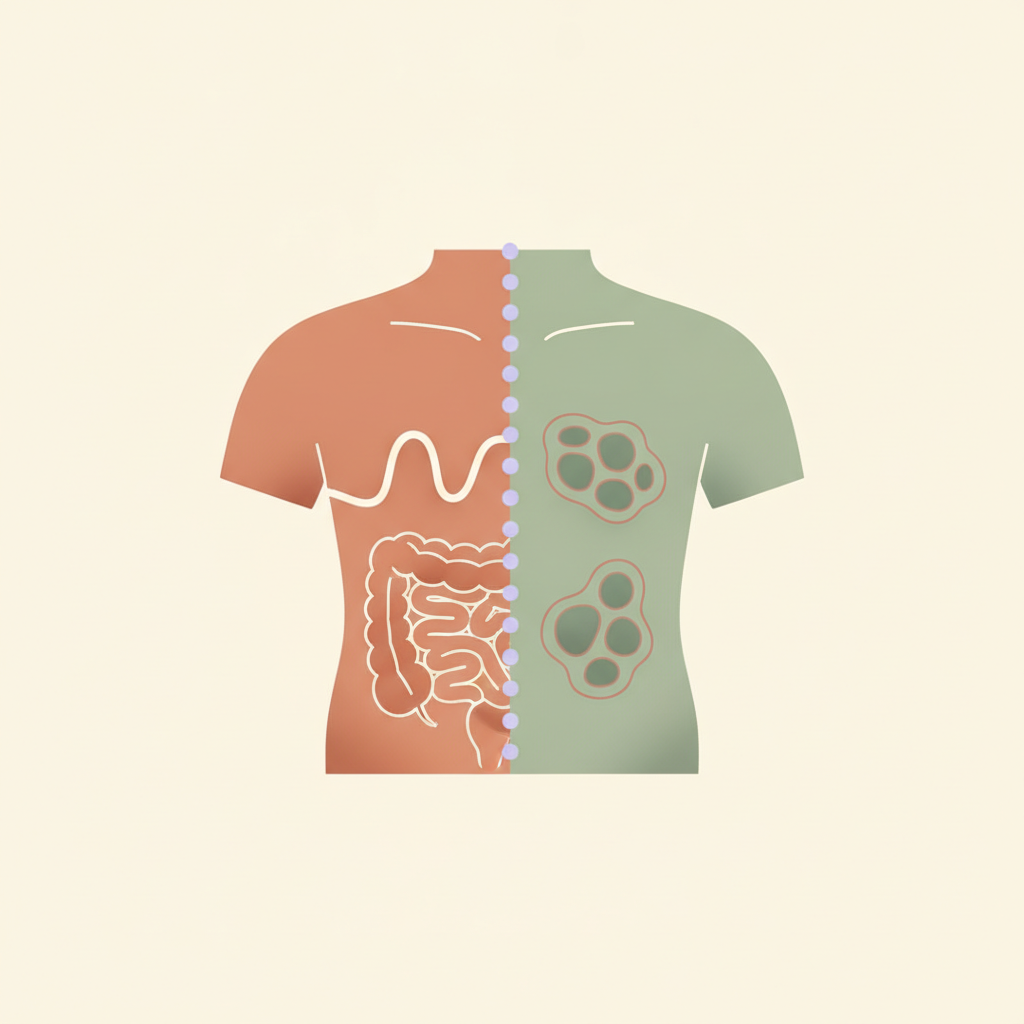
Reflux and a food allergy reaction can both occur after eating and both can cause some overlapping discomfort, but they're fundamentally different processes with very different levels of urgency.
How they differ
Reflux is a mechanical and chemical process — acid moving up into the esophagus — causing burning, regurgitation, and a sour taste. A food allergy reaction is an immune response, which can cause symptoms like hives, swelling (particularly of the lips, tongue, or throat), difficulty breathing, or in severe cases, anaphylaxis, alongside or instead of digestive symptoms.
Symptoms that point toward an allergic reaction, not reflux
Skin symptoms (hives, itching), swelling of the face, lips, or throat, difficulty breathing or wheezing, and a rapid onset of symptoms shortly after eating a specific food are all signs pointing toward an allergic reaction rather than reflux, and any of these — especially breathing difficulty or throat swelling — constitute a medical emergency.
Why this distinction is important, not just academic
Mistaking an allergic reaction for reflux and treating it with an antacid instead of seeking emergency care (for severe reactions) can be dangerous. If digestive discomfort after a specific food is ever accompanied by skin symptoms, swelling, or breathing difficulty, treat it as a possible allergic reaction and seek emergency care rather than assuming it's reflux.