Esophagitis — inflammation of the esophagus, most commonly caused by chronic acid exposure from reflux — is one of the more common complications of untreated or poorly controlled GERD, and it exists on a spectrum from mild to quite severe.
Common symptoms
Pain or burning that may be worse with swallowing, difficulty swallowing, a sensation of food catching, and in more significant cases, chest pain that can be mistaken for other causes. Some cases of mild esophagitis cause few noticeable symptoms beyond typical reflux discomfort.
How severity is classified
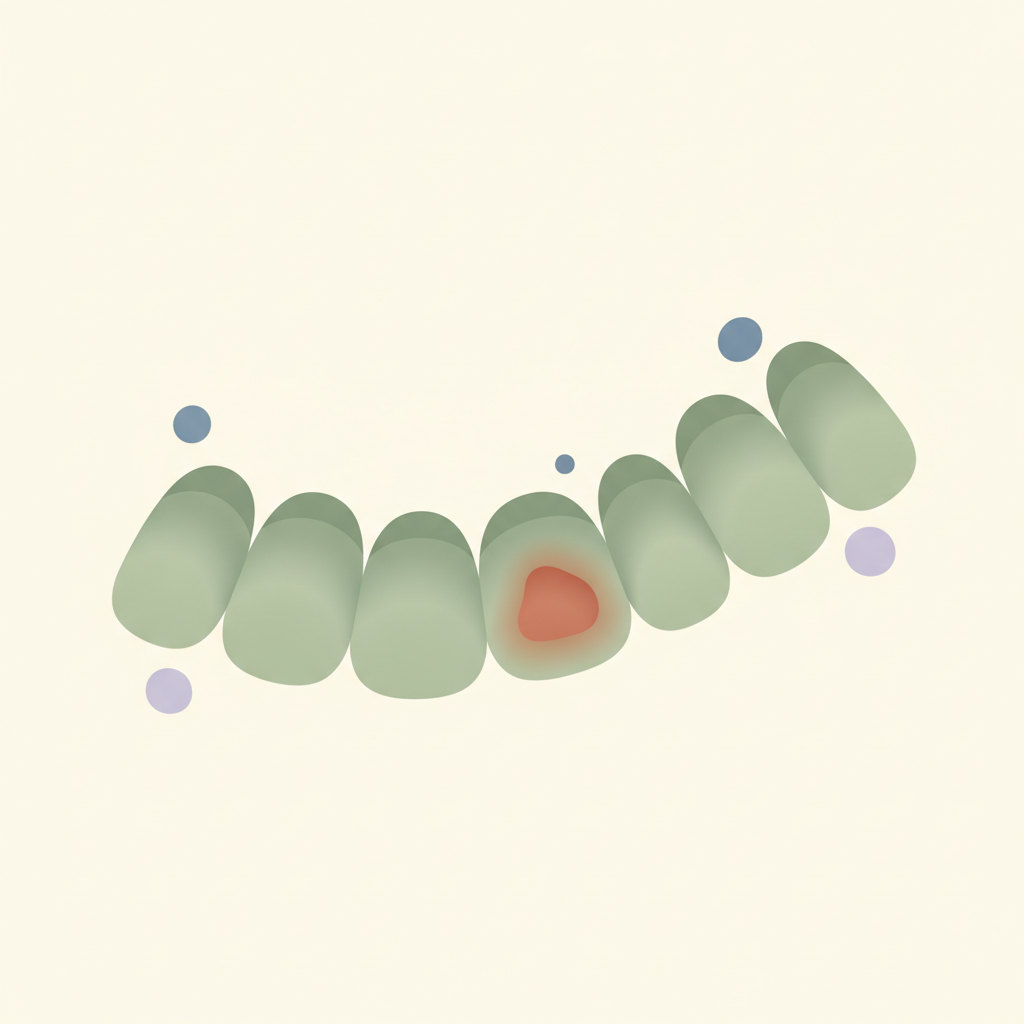
Doctors typically grade esophagitis found during endoscopy on a scale reflecting how much of the esophageal lining shows breaks or erosion, ranging from mild redness without breaks in the tissue to more severe, extensive erosion or ulceration. This grading helps guide how aggressively it needs to be treated and how closely it should be monitored.
The good news about treatment
Esophagitis, even moderate cases, often heals well with appropriate acid-suppressing treatment over several weeks, and the healing can be confirmed with a follow-up endoscopy if the case was significant enough to warrant it. Left untreated, however, chronic esophagitis can progress to more serious complications like strictures or, less commonly, Barrett's esophagus, which is why ongoing symptoms shouldn't be dismissed as just an unpleasant but harmless nuisance.