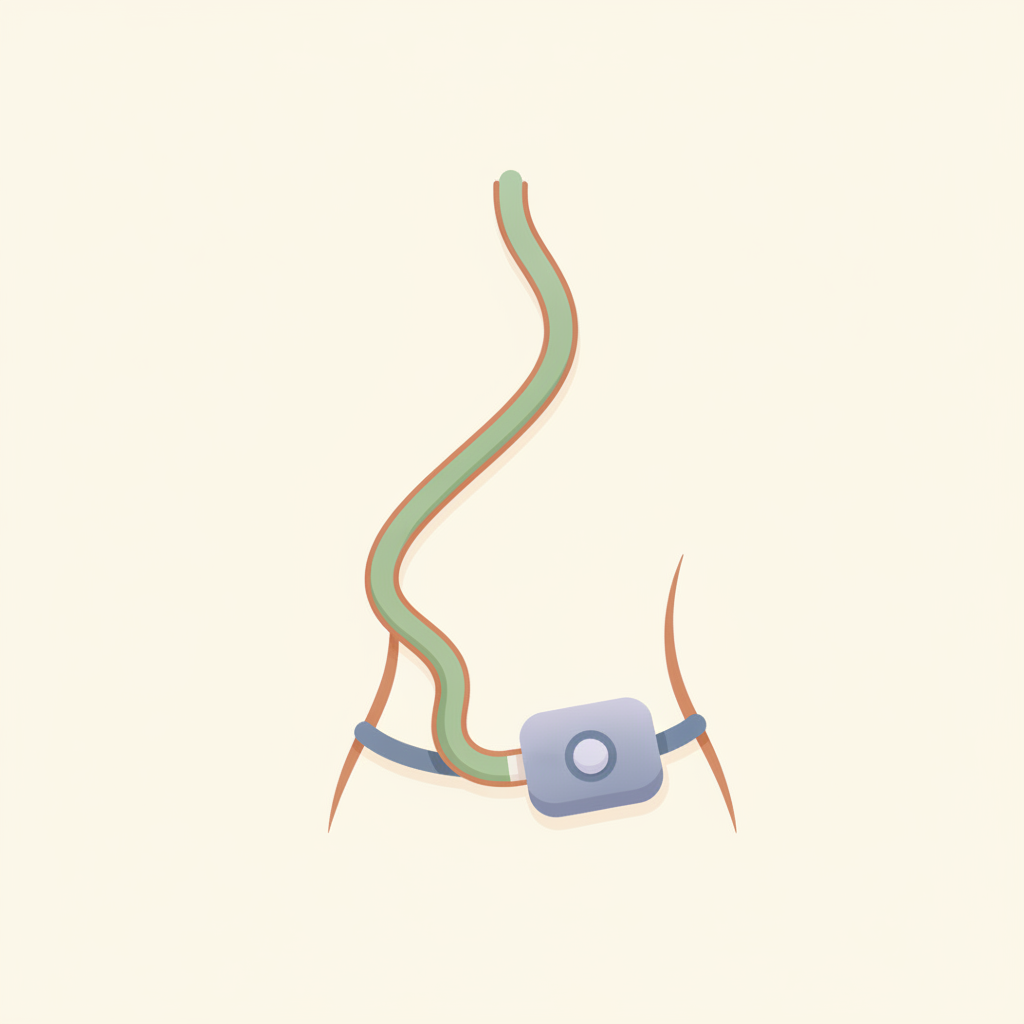
The Bravo test is a newer alternative to the tube-based 24-hour pH monitoring test, using a small wireless capsule instead of a tube through the nose, which many people find considerably more comfortable.
How the capsule is placed and works
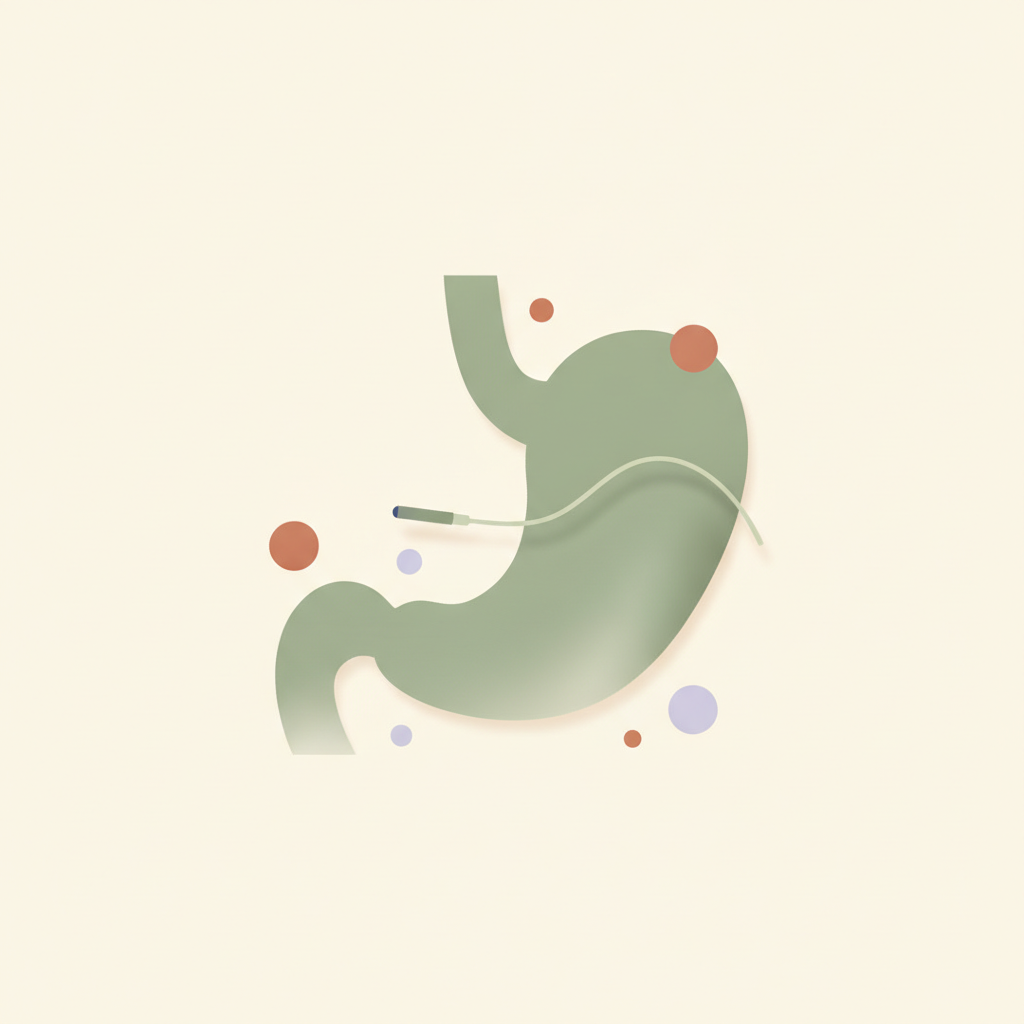
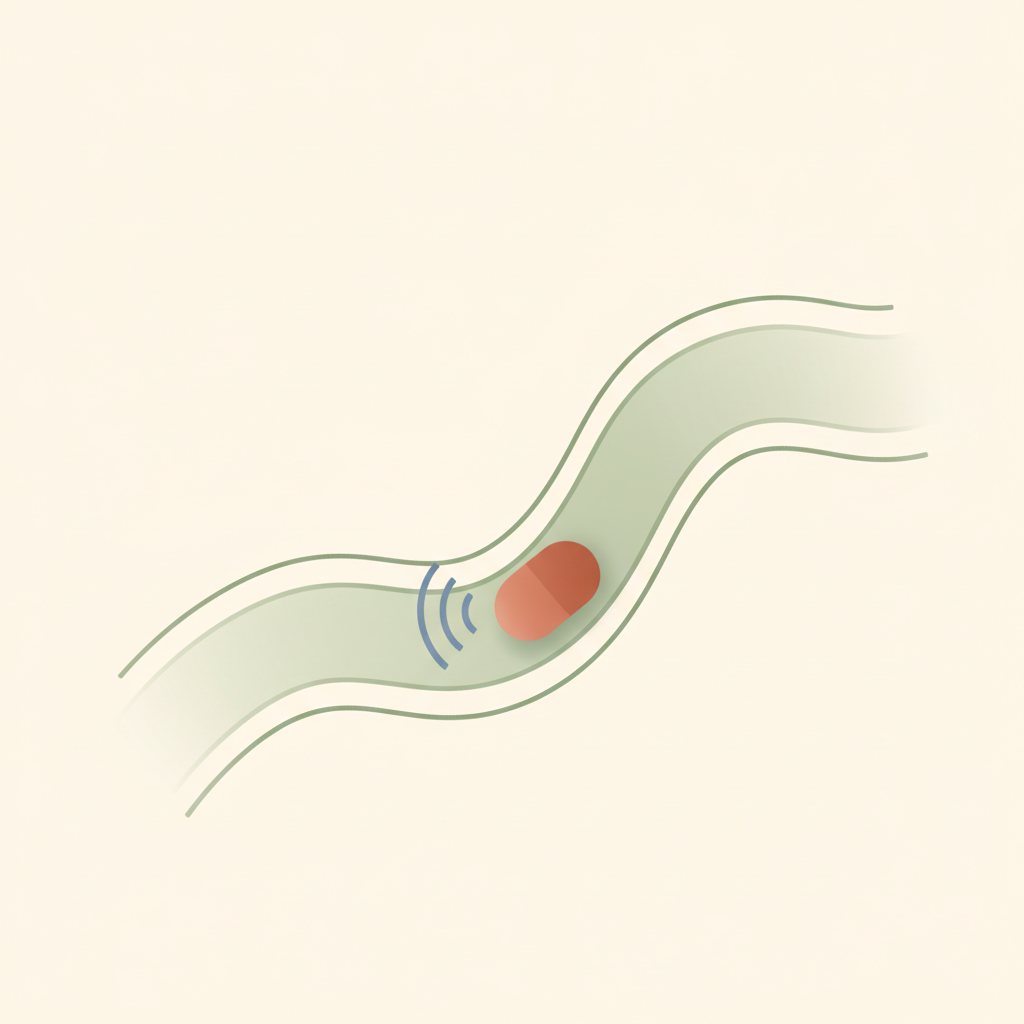
During a brief endoscopy, a small capsule is attached directly to the lining of the lower esophagus. It then wirelessly transmits pH readings to a small receiver you carry with you, typically over 48 hours (longer than the standard tube-based test), which can give a more complete picture since it captures day-to-day variation.
Advantages over the tube-based version
Without a tube through the nose and throat, most people can eat, work, and go about daily activities more comfortably and more normally, which can lead to more representative results since people aren't altering their routine due to discomfort from the test itself.
What happens to the capsule afterward
The capsule is designed to naturally detach from the esophageal lining within about a week to ten days and pass through the digestive system on its own, without needing a follow-up procedure to remove it. Some people report a mild sensation of chest discomfort or a feeling of something being present in the days after placement, which is generally expected and temporary.