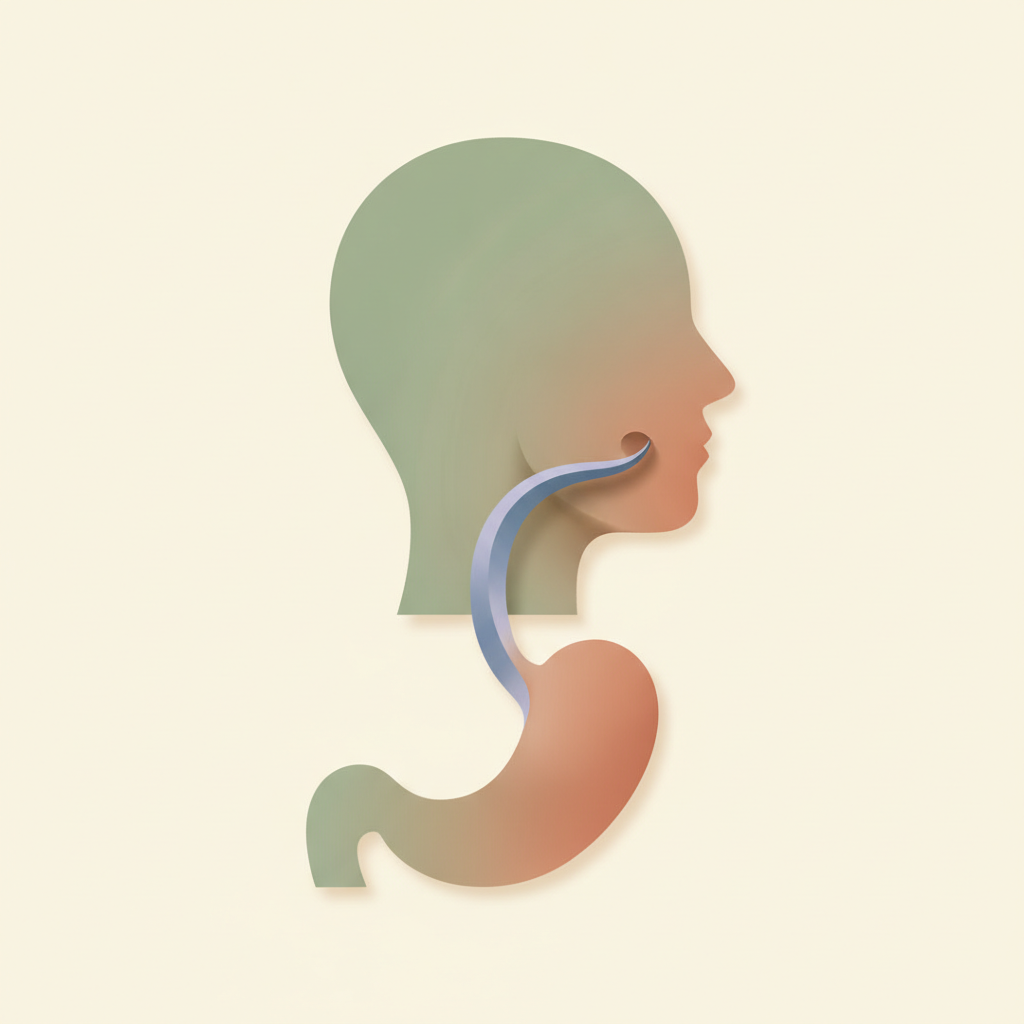
Silent reflux (LPR) often takes longer to improve than typical heartburn-focused GERD, which surprises and frustrates a lot of people who expect a similar timeline to standard reflux treatment.
Why LPR tends to take longer
The throat and airway tissue affected by LPR heals more slowly than the esophagus, and because LPR often isn't caught early (due to the absence of classic heartburn), by the time it's diagnosed and treated, the tissue may have accumulated more irritation than typical GERD would at a comparable stage. It's common for meaningful improvement to take several months of consistent treatment, rather than the weeks that often resolve typical heartburn.
What a typical treatment timeline might look like
Many treatment approaches for LPR involve a more extended course of acid-suppressing medication (sometimes twice-daily dosing rather than once), combined with a stricter dietary approach for the first several weeks, with follow-up to assess whether symptoms are improving before adjusting the plan.
Managing expectations during treatment
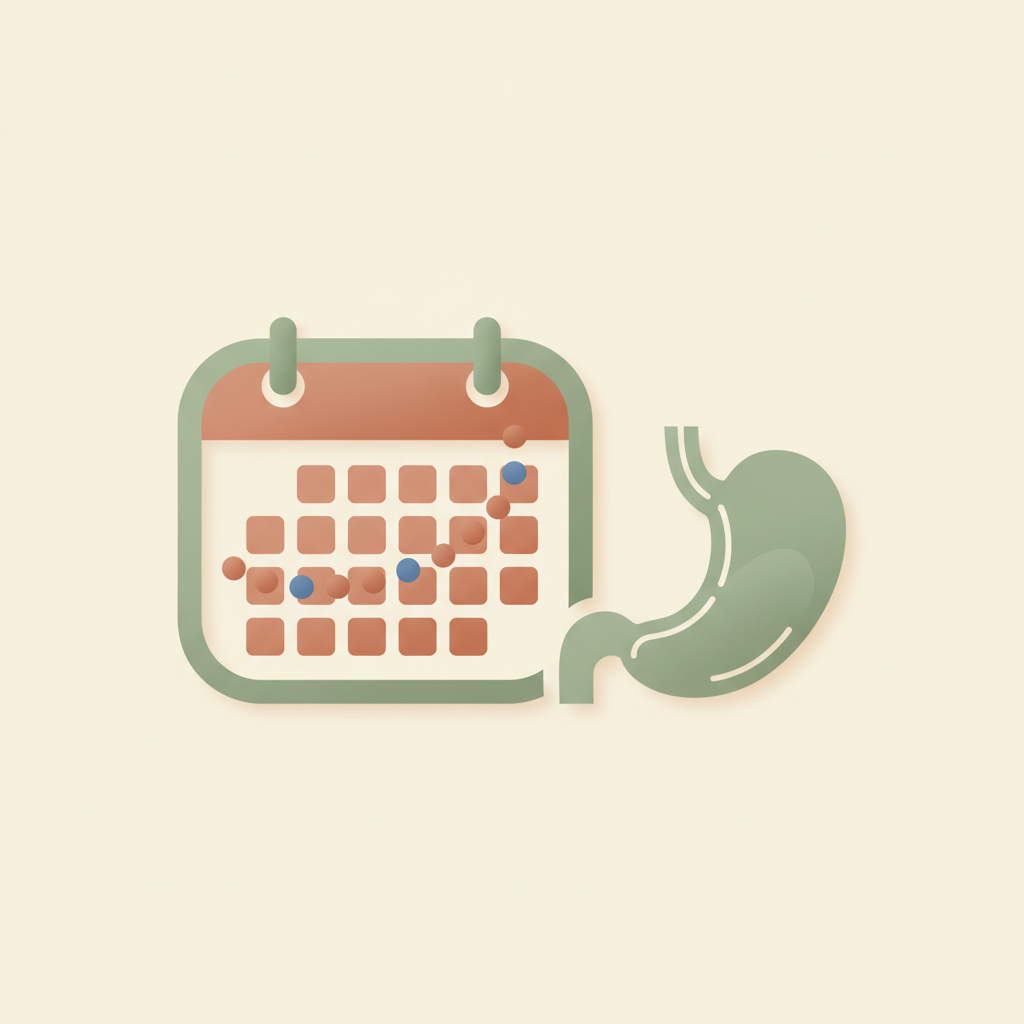
Because improvement can be gradual and sometimes inconsistent week to week, tracking symptoms over a longer window (rather than judging day to day) gives a more accurate sense of whether treatment is working, and sticking with a treatment plan for the full recommended duration before concluding it isn't working is important given how slowly this particular tissue tends to heal.