Impedance testing addresses a specific gap in standard pH monitoring: it can detect reflux episodes that aren't primarily acidic, which a pH-only test would miss entirely.
Why this distinction matters
Standard pH monitoring only detects acidic reflux. But some people experience reflux that's weakly acidic or non-acidic (sometimes related to bile, or occurring in people already on strong acid-suppressing medication), which can still cause real symptoms but wouldn't register on a pH-only test, potentially leading to a false impression that reflux isn't the cause of ongoing symptoms.
How the test works
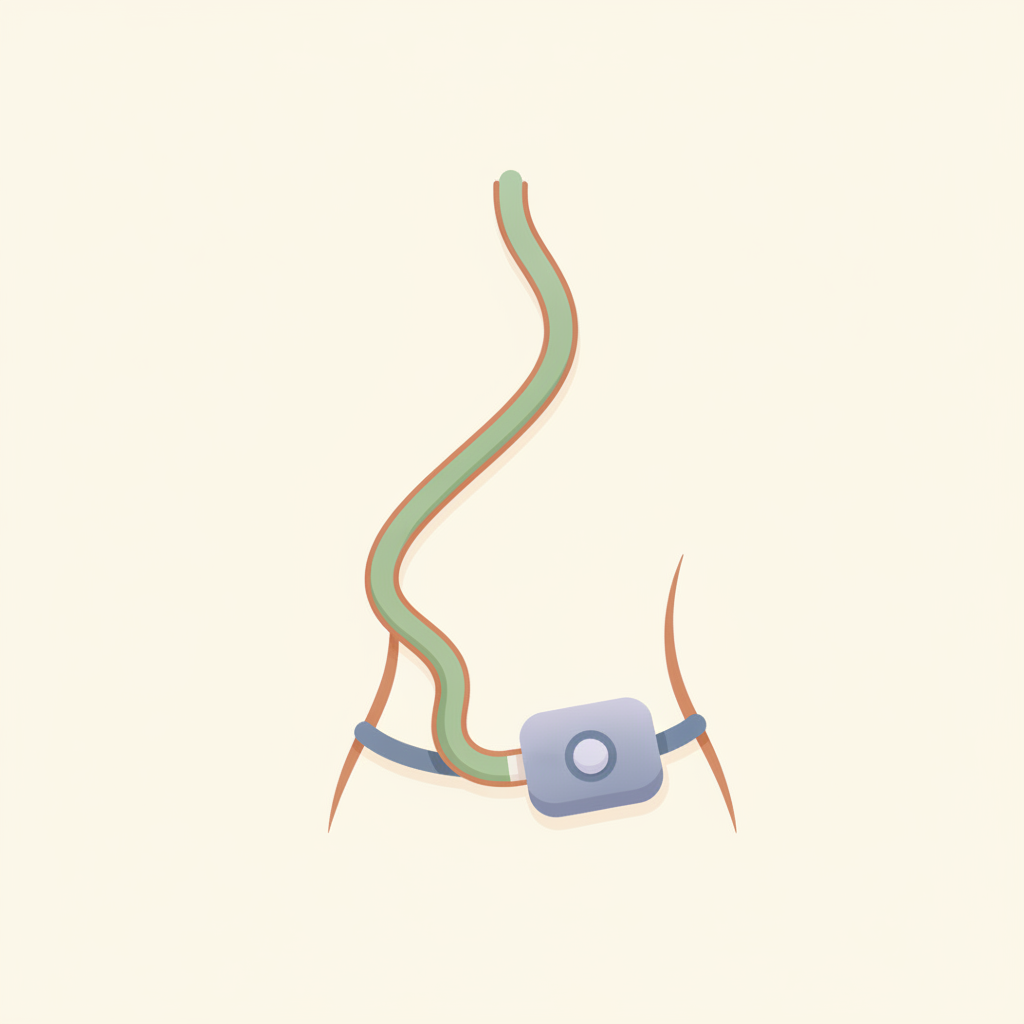
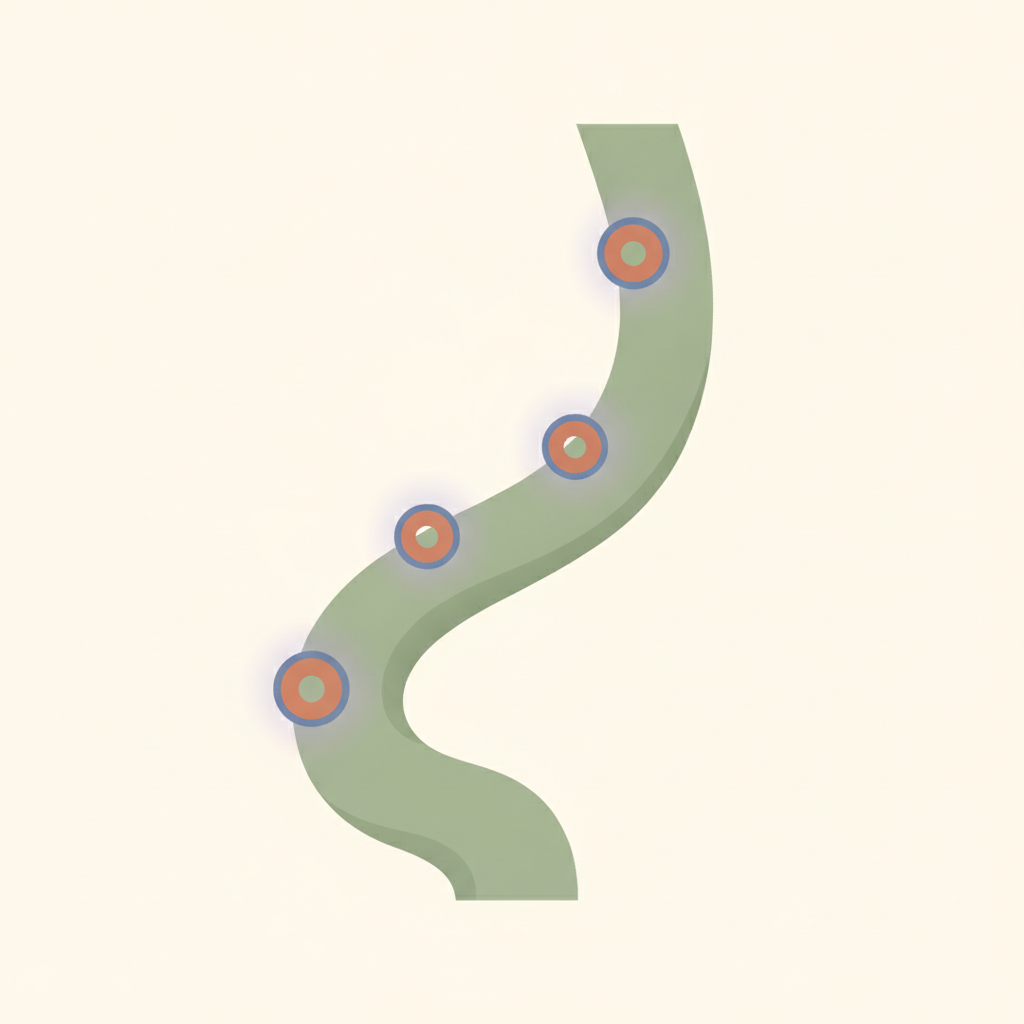
Impedance testing measures the movement of any fluid or gas up the esophagus, regardless of its acidity, usually combined with pH monitoring in a single combined test (called impedance-pH monitoring) to capture both acidic and non-acidic reflux episodes together.
When this test is particularly useful
This combined approach is especially valuable for people whose symptoms persist despite being on acid-suppressing medication, since it can clarify whether ongoing symptoms are due to non-acid reflux that the medication wouldn't address, versus reflux being adequately controlled but something else causing the symptoms.