Life after successful reflux surgery involves some genuine adjustments, and setting realistic expectations ahead of time tends to make the transition smoother.
Eating habits that often need to change
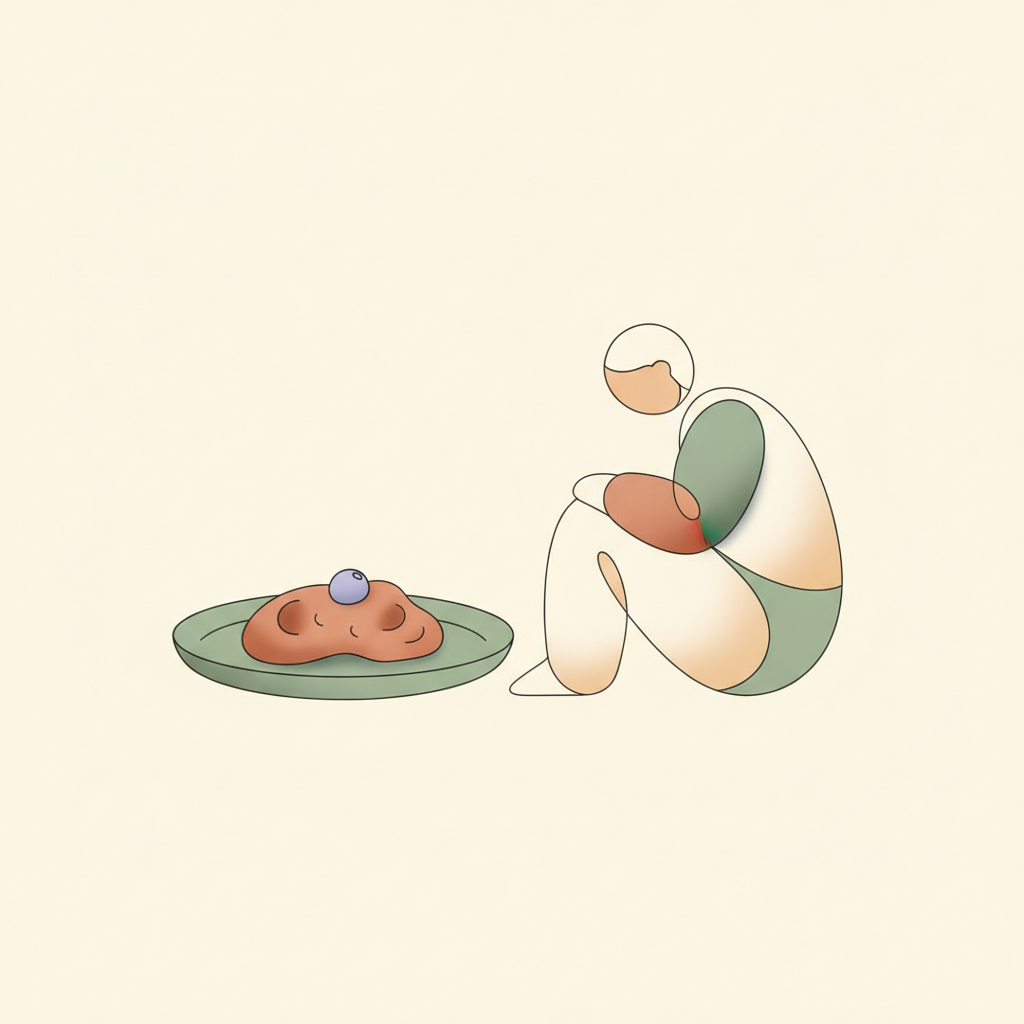
Many people need to adjust to smaller portions, at least initially, since the reinforced valve can make it harder to comfortably eat as large a meal as before. Eating more slowly, chewing thoroughly, and avoiding very dry or bread-heavy foods (which can be harder to swallow comfortably after surgery) become more important habits than they may have been before.
The burping and vomiting limitation
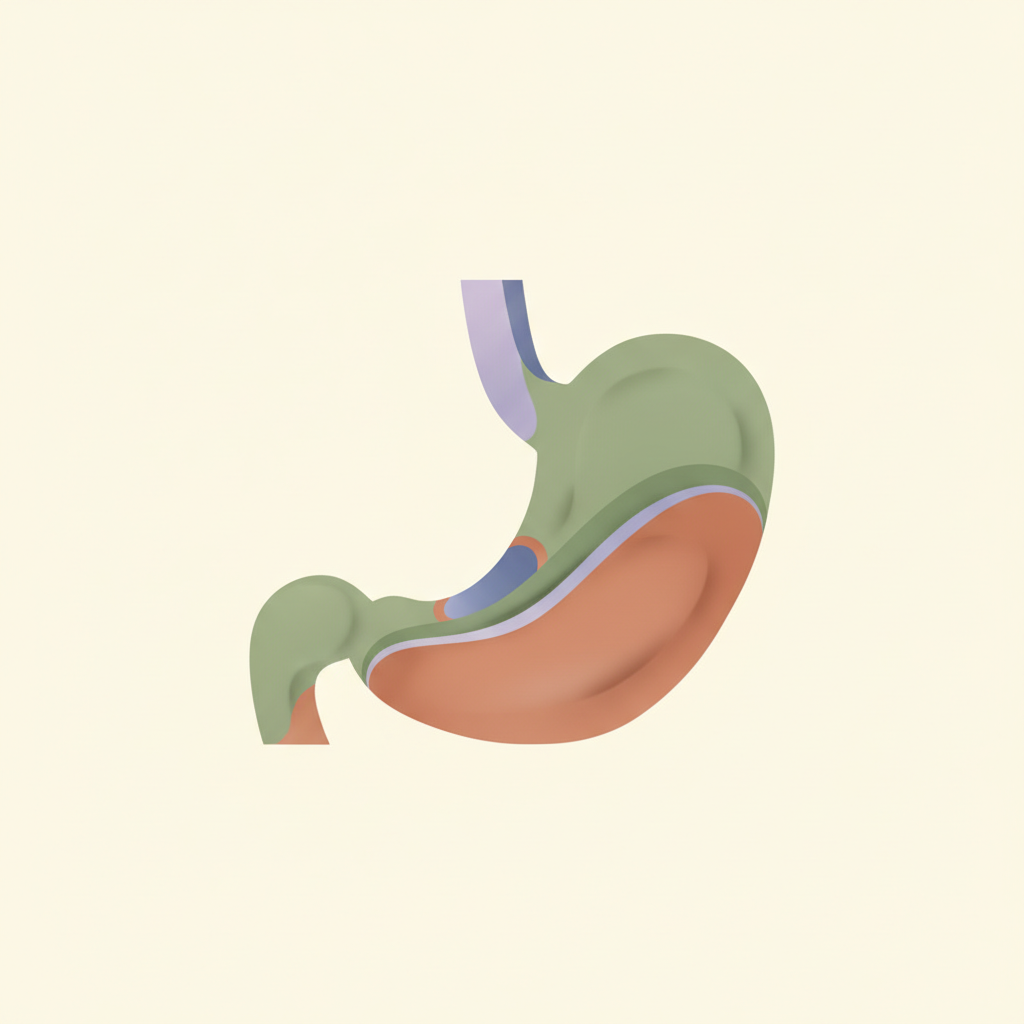
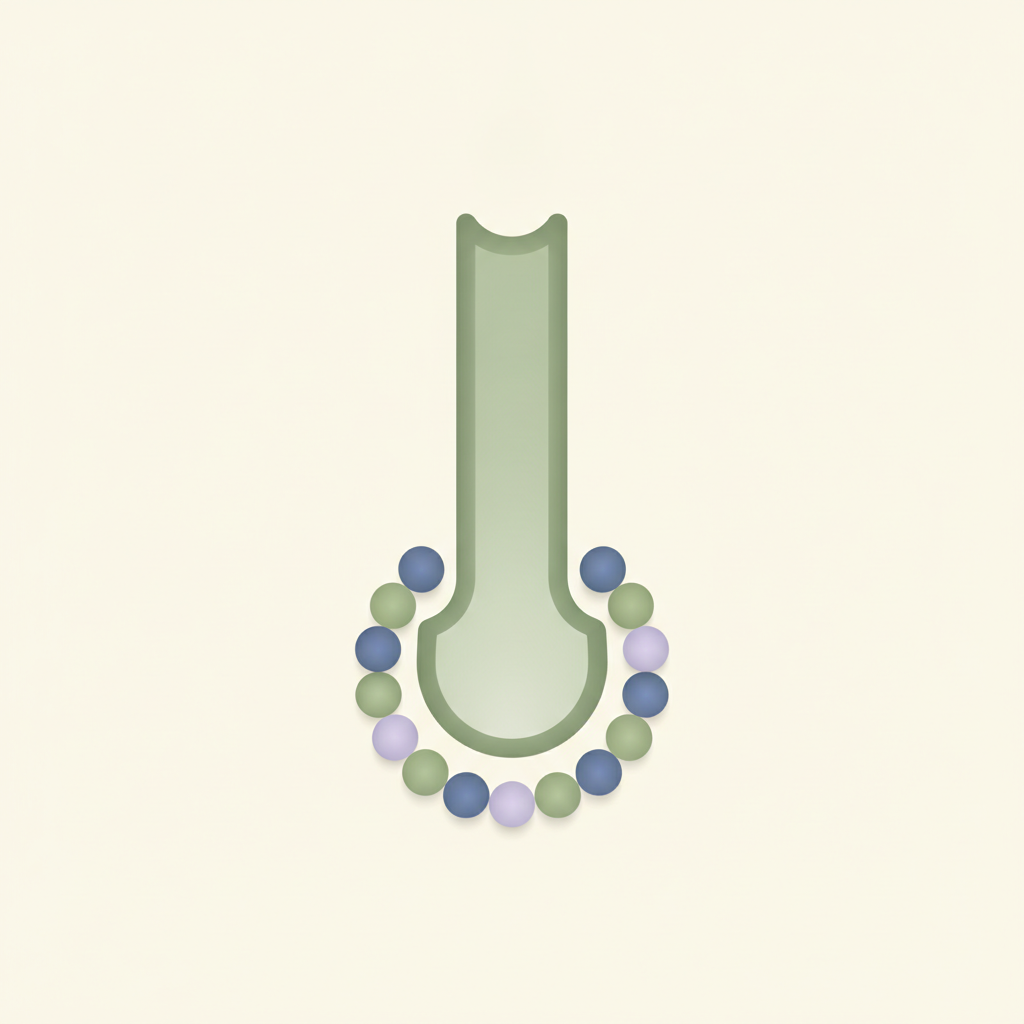
A notable and sometimes underappreciated change is a reduced ability to burp or vomit normally, since the reinforced valve that prevents reflux also somewhat restricts these other normal digestive functions. This can take some adjustment, and for a subset of patients, it remains a persistent, mildly bothersome side effect even after healing is otherwise complete.
Medication and follow-up
Many people successfully reduce or eliminate their reflux medication after surgery, though some continue needing occasional or lower-dose medication for optimal symptom control. Periodic follow-up with your surgical team helps monitor how well the repair is holding up over time, since a wrap can occasionally loosen years after the original procedure.
The overall trade-off many patients report
For appropriately selected patients, the trade-off of some new eating habits and the burping limitation in exchange for substantially reduced reflux symptoms and less reliance on daily medication is generally reported as a worthwhile one, though this is a personal calculation that depends on how significantly reflux was affecting your life beforehand.