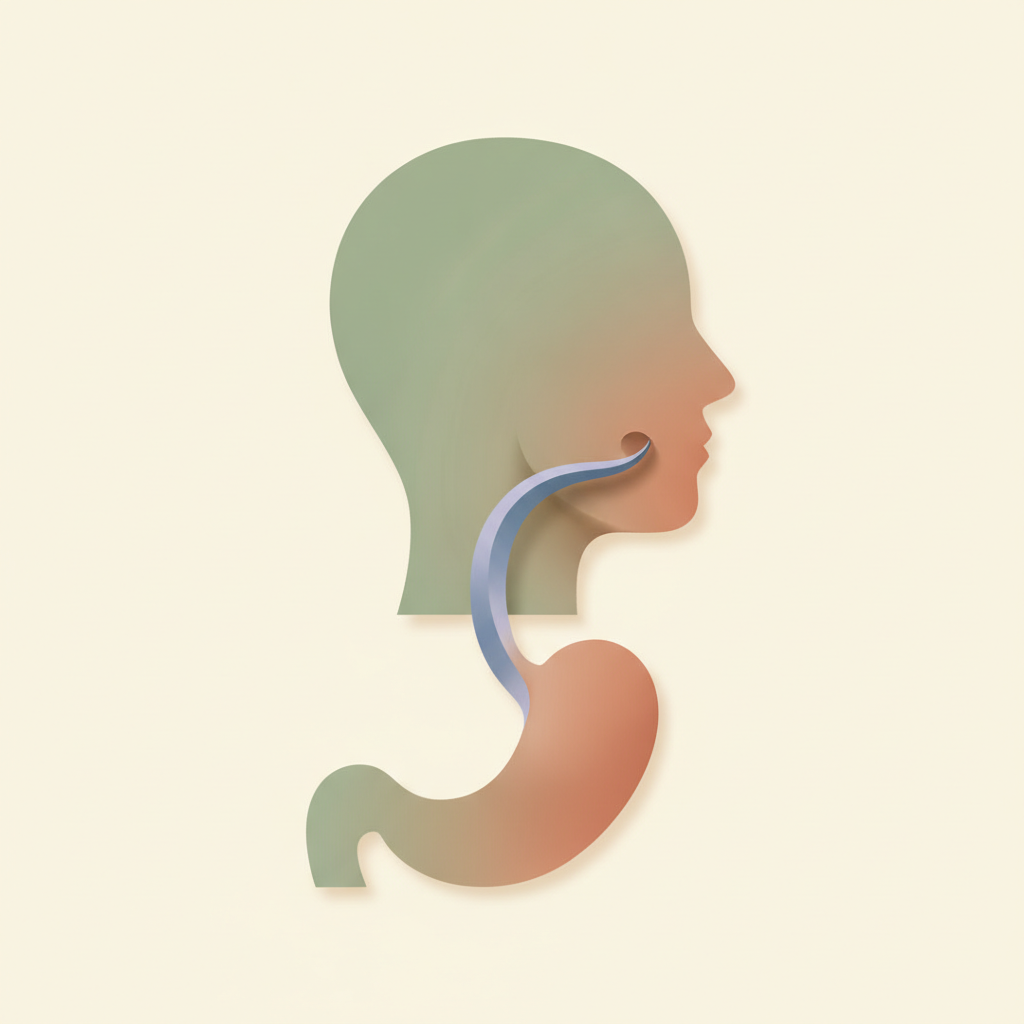

For people who rely on their voice professionally, LPR can be especially disruptive, since even mild, intermittent acid exposure can affect vocal cord function before any other symptom is noticeable. Singers and speakers often notice reduced vocal range, increased effort to hit certain notes or project, a rougher or breathier tone than usual, or vocal fatigue that sets in earlier than normal — frequently worse in the morning, after overnight reflux, or after performances involving extended talking or singing. Because these symptoms look like vocal strain or overuse, LPR is easy to miss until it becomes a pattern tied to specific times of day. For performers, the standard advice (elevate the head at night, avoid food close to bedtime, avoid known trigger foods before performances) matters more than for most, since vocal cords are unusually sensitive to even brief acid exposure. Persistent vocal changes in someone with no other clear cause are worth raising with both an ENT and considering reflux specifically, rather than assuming it's simple overuse.