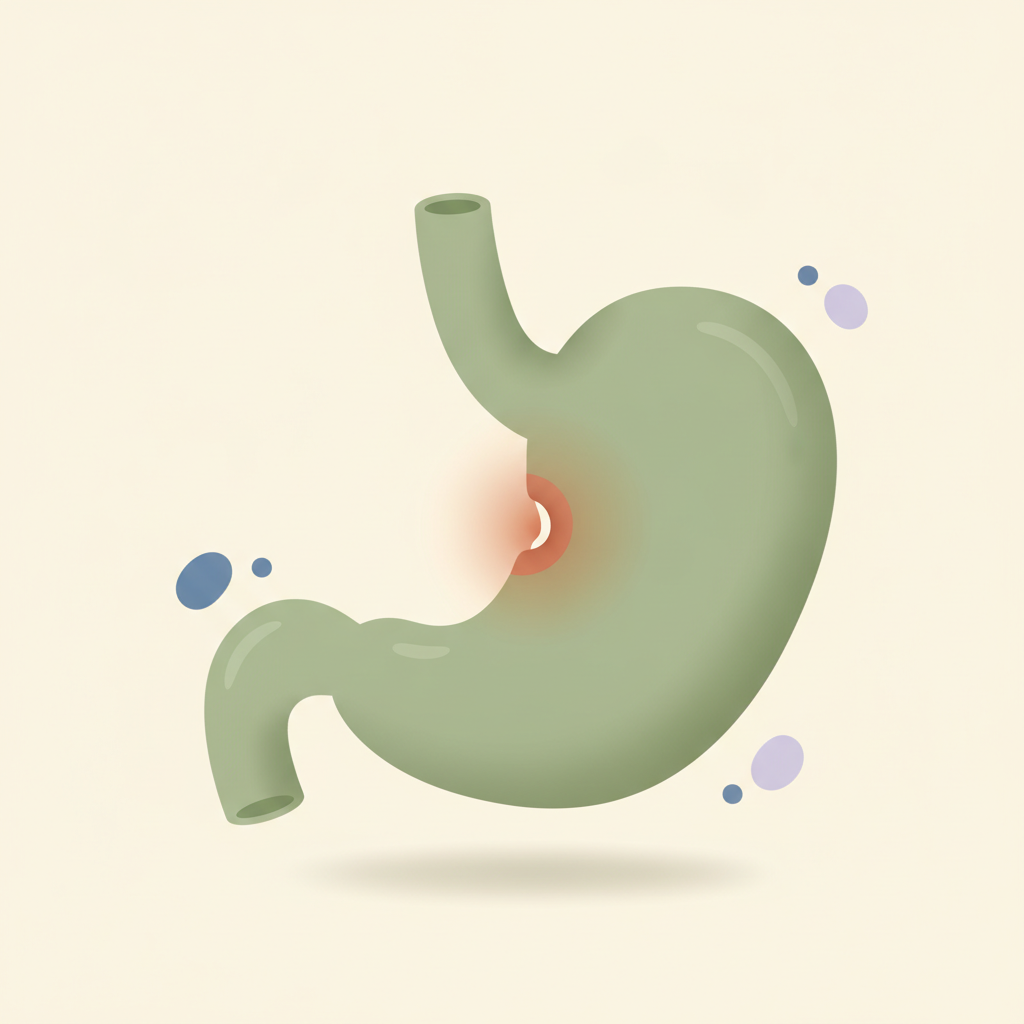
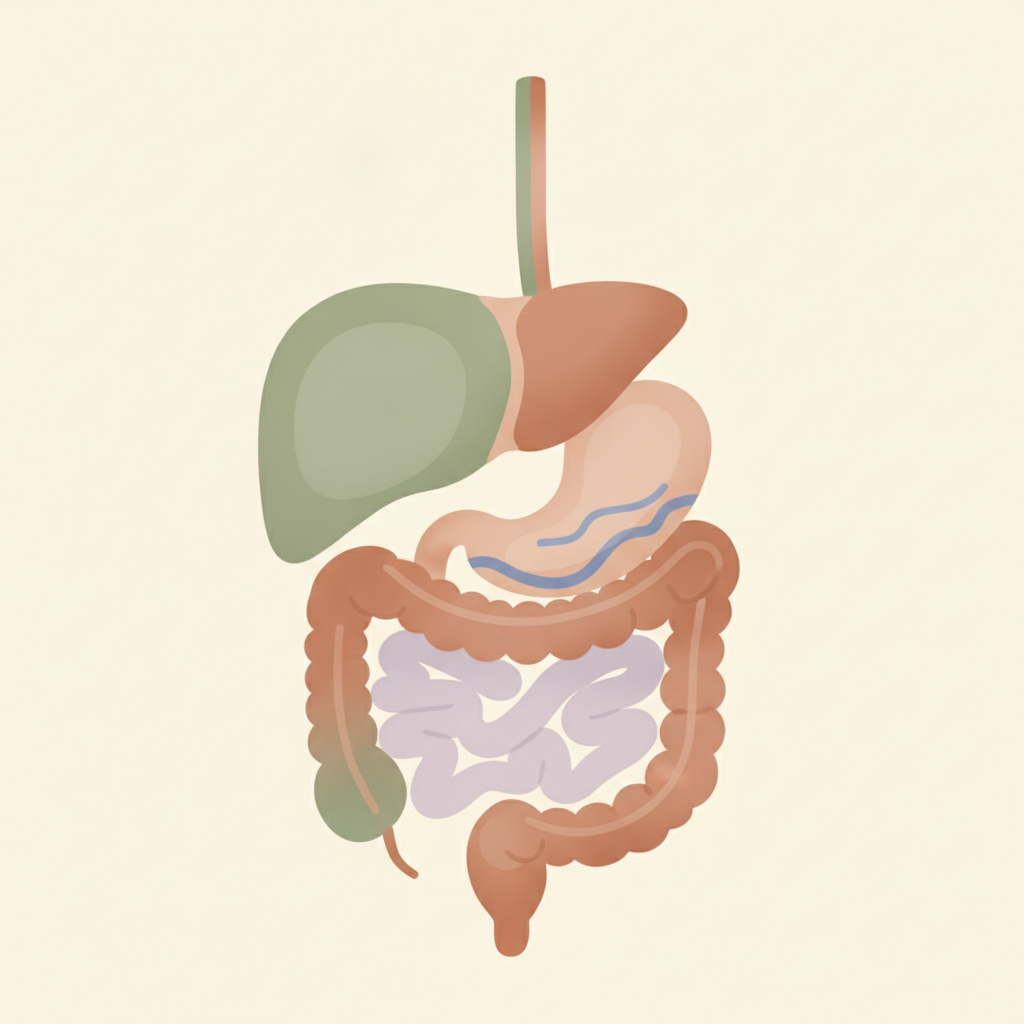
Some people notice new or worsened reflux after having their gallbladder removed (cholecystectomy), and there's a plausible physiological reason for it, even though not everyone experiences this.
Why it can happen
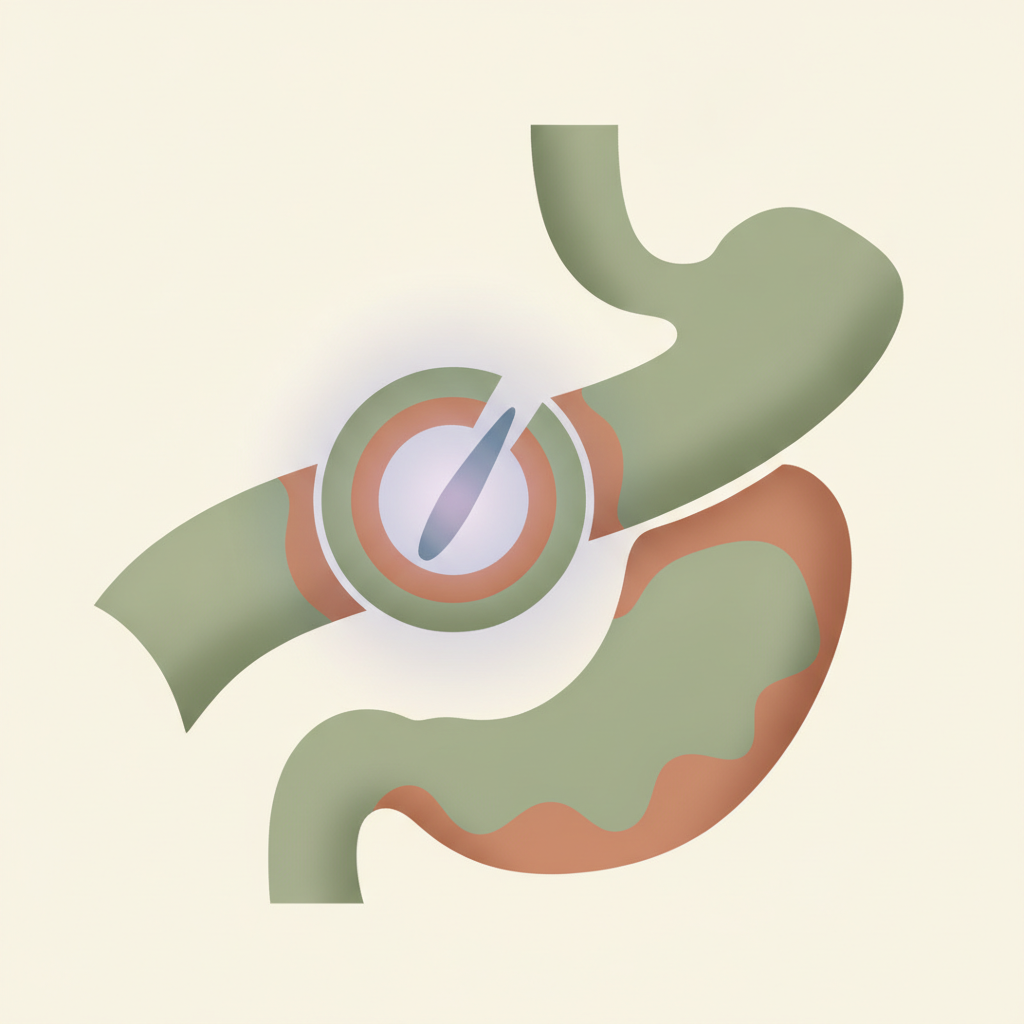
The gallbladder normally stores and releases bile in a controlled way after meals. Without it, bile drips more continuously into the digestive tract, and in some people this can include bile reflux — a related but distinct issue from typical acid reflux — which can produce similar burning or regurgitation symptoms.
How this differs from standard acid reflux
Bile reflux doesn't always respond to standard acid-reducing medication the same way typical GERD does, since the irritant is bile rather than (or in addition to) stomach acid. This is worth mentioning specifically to a doctor if reflux symptoms started or worsened after gallbladder surgery, since the treatment approach can differ.
What tends to help
Smaller, more frequent low-fat meals (since fat stimulates bile release) is a common first recommendation, along with the general reflux-friendly habits — upright posture after eating, avoiding late meals — that help regardless of the specific cause.