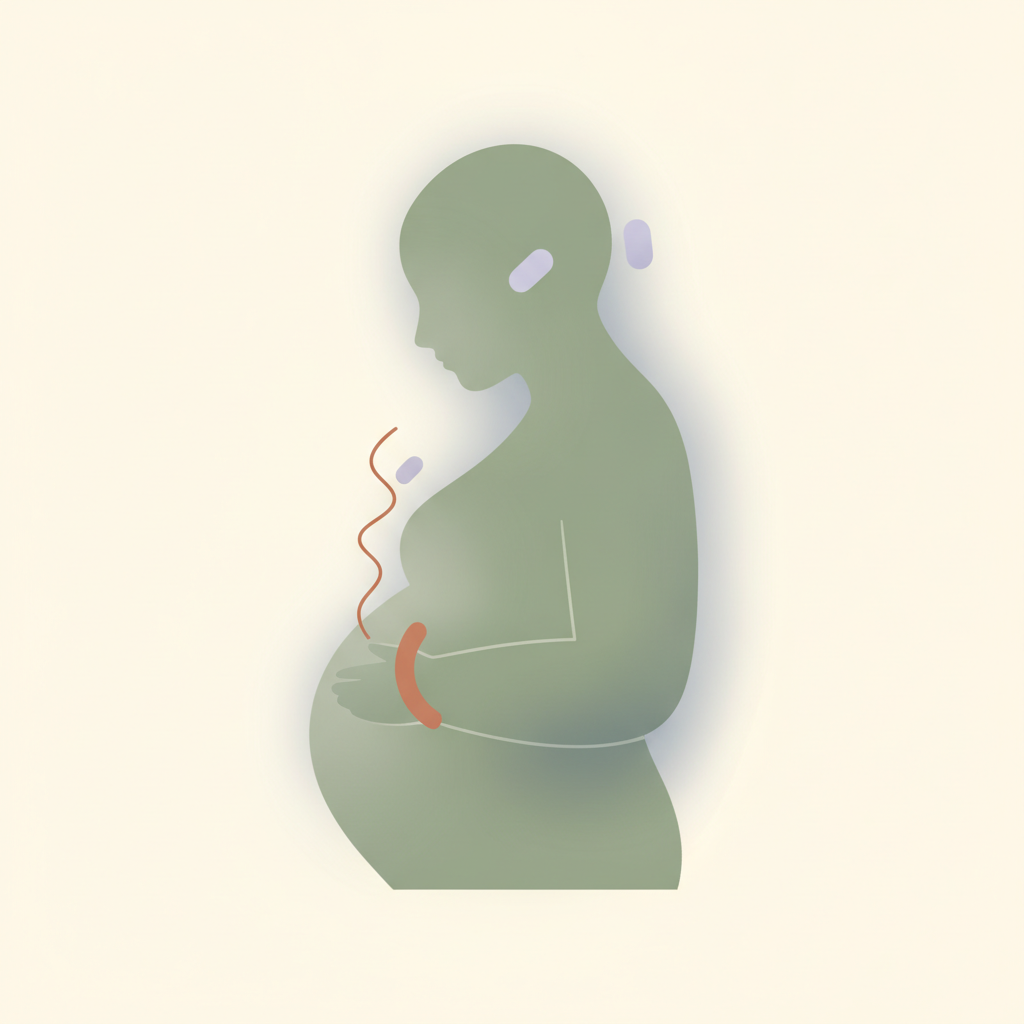
Dietary management during pregnancy follows the same general reflux principles as elsewhere, with a few pregnancy-specific considerations layered on top.
General reflux-friendly choices that apply
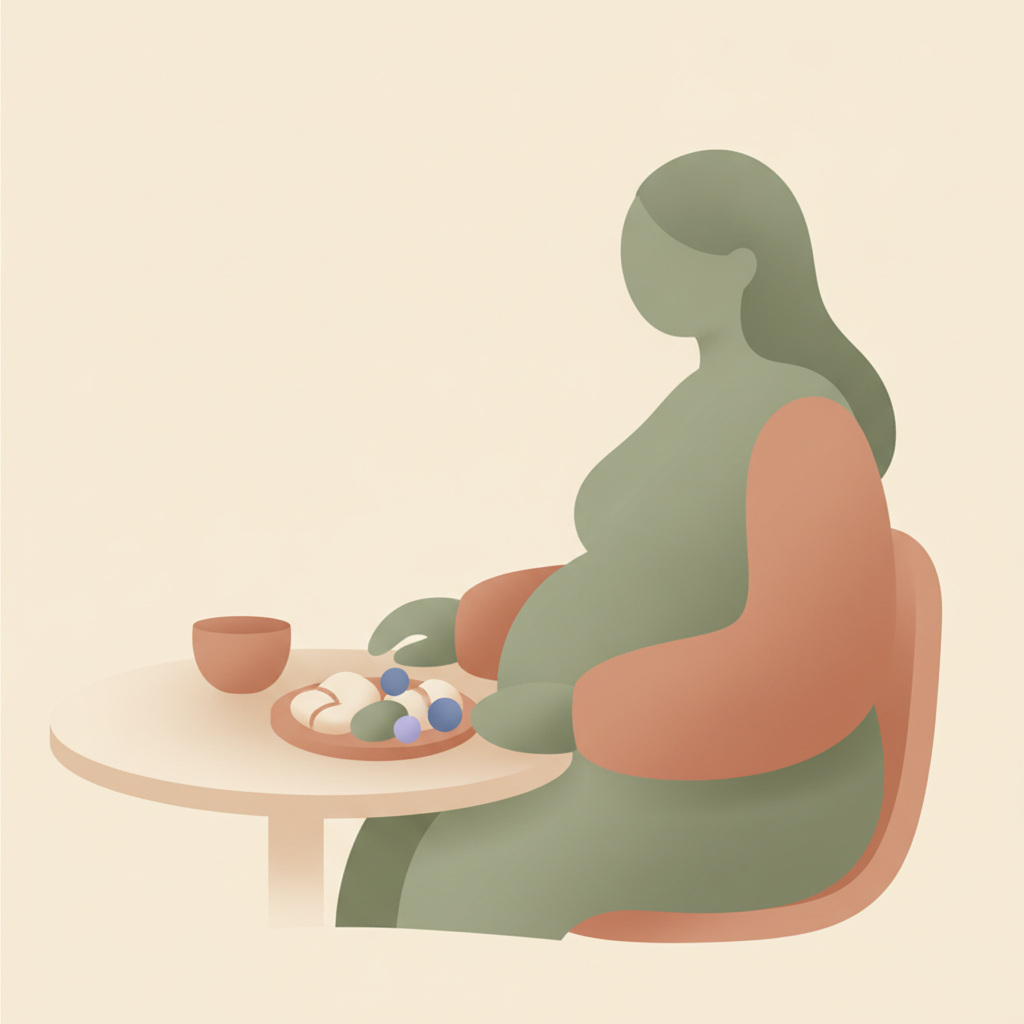
Smaller, more frequent meals; avoiding citrus, tomato, caffeine, and fried or fatty foods when they're triggers; and not eating within a few hours of lying down all apply during pregnancy the same way they do otherwise.
Pregnancy-specific considerations
Pregnancy nutritional needs mean it's especially important not to eliminate entire food groups without a good substitute — if citrus is a trigger, for instance, getting vitamin C from other sources (bell peppers, strawberries in moderation, or a prenatal vitamin) matters more during pregnancy than it might otherwise. Nausea, which is separately common in pregnancy, can complicate reflux management, since some anti-nausea strategies (small, frequent snacks) overlap helpfully with reflux advice, while others (like ginger, generally fine, but worth checking amounts with a provider) are worth discussing with a prenatal care provider directly.
Working with your care provider
Because pregnancy involves its own nutritional requirements and considerations, it's worth reviewing any significant dietary changes with your prenatal care provider rather than only following general reflux advice, to make sure nutritional needs are still being met alongside symptom management.