It's a common but underdiscussed pattern: reflux symptoms flaring up or appearing for the first time during or after a cold, flu, or other respiratory illness.
Why illness can trigger reflux
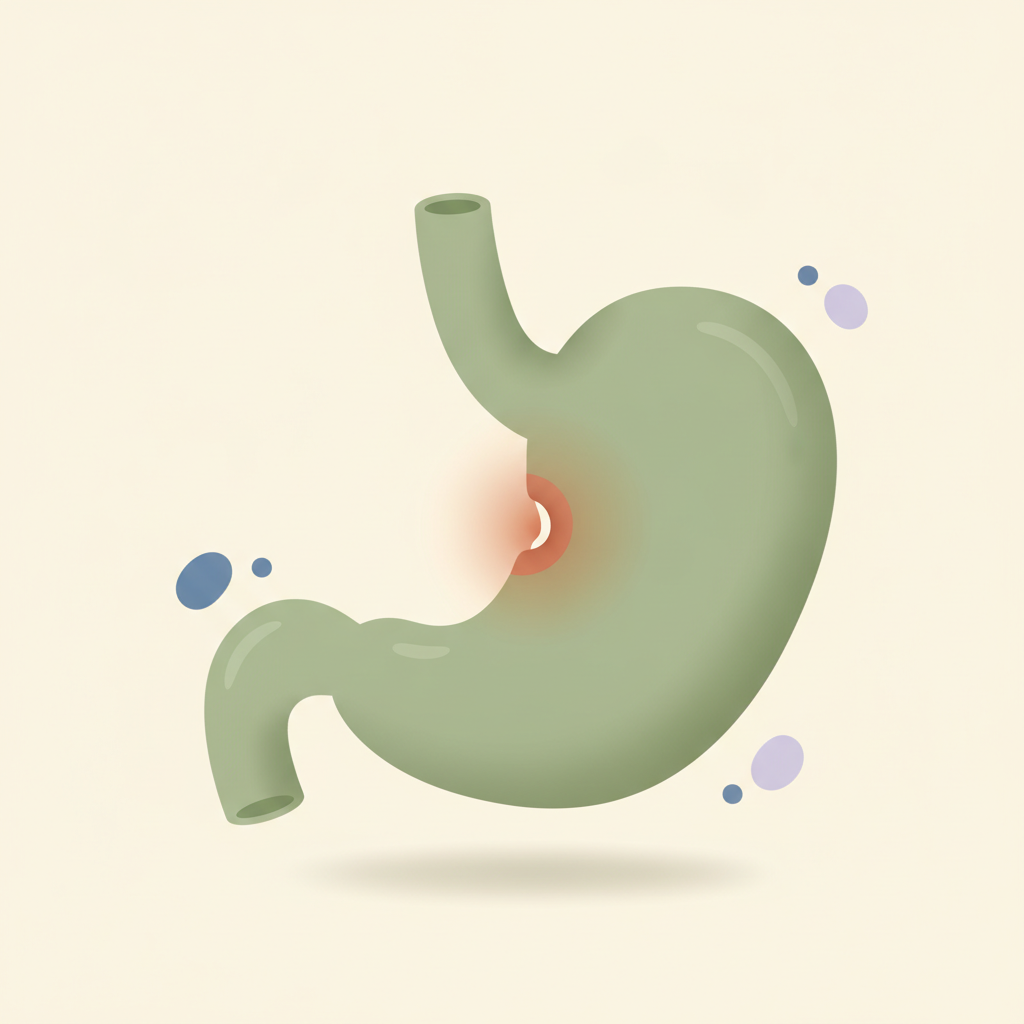
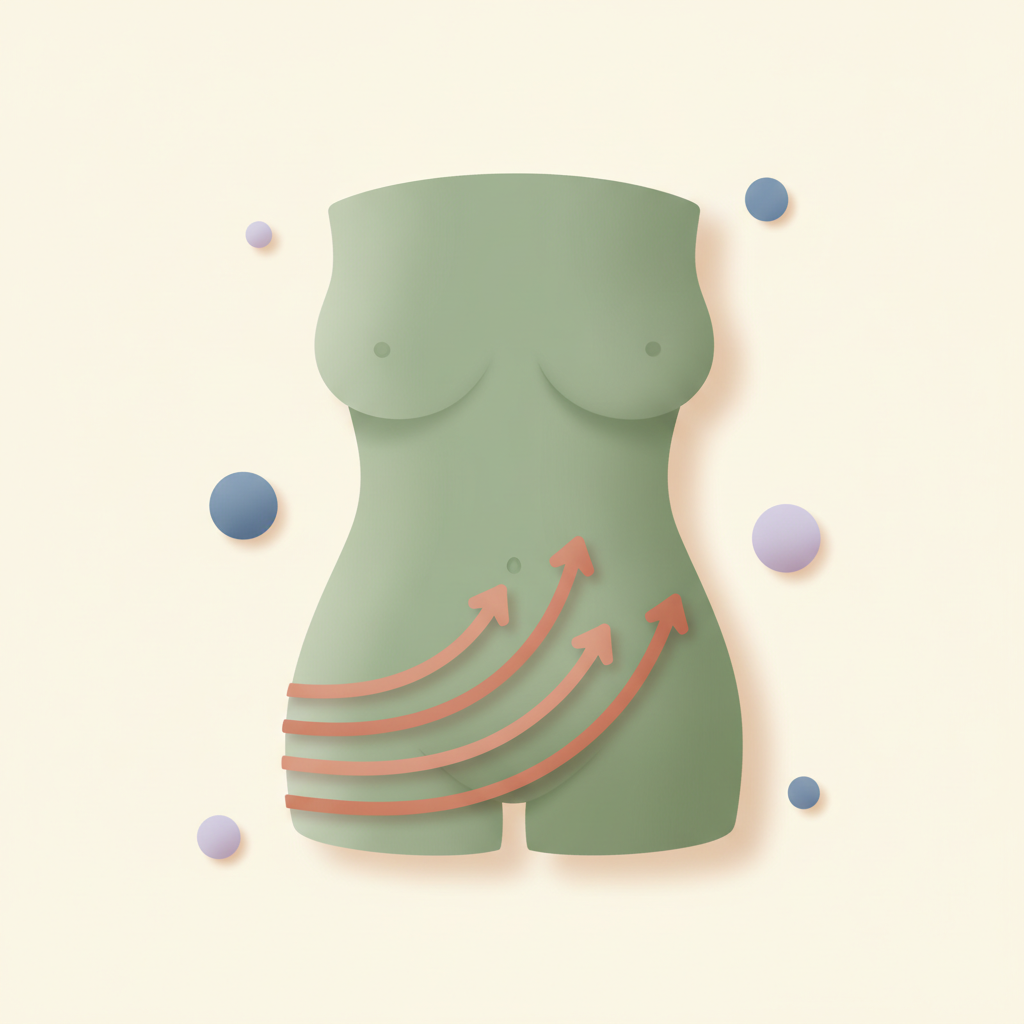
Frequent coughing increases abdominal pressure with each cough, which can push against the LES repeatedly throughout the day. Congestion and postnasal drip can also irritate the throat in ways that feel similar to reflux, sometimes making it hard to tell which is causing which. Additionally, illness often disrupts normal eating and sleep patterns — skipping meals, then eating larger ones, or sleeping in unusual positions — which can independently contribute to reflux.
Telling the two apart
A sour taste, burning behind the breastbone, or symptoms that worsen when lying down point more toward reflux, while symptoms that closely track cold or flu symptoms and resolve as the illness clears are more likely illness-related irritation rather than true reflux.
What to do about it
If reflux symptoms persist well after the illness has cleared, that's a sign it's worth addressing as its own issue rather than assuming it will resolve along with the cold.