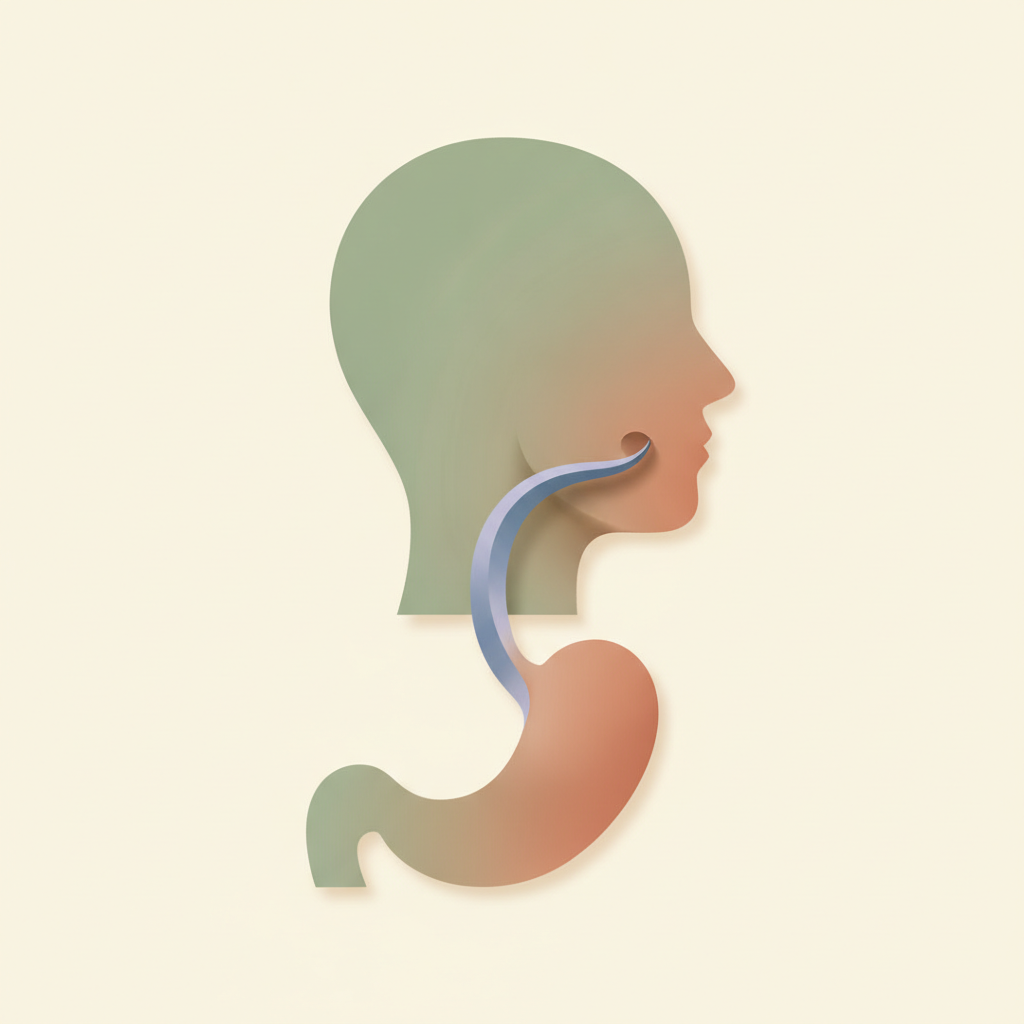
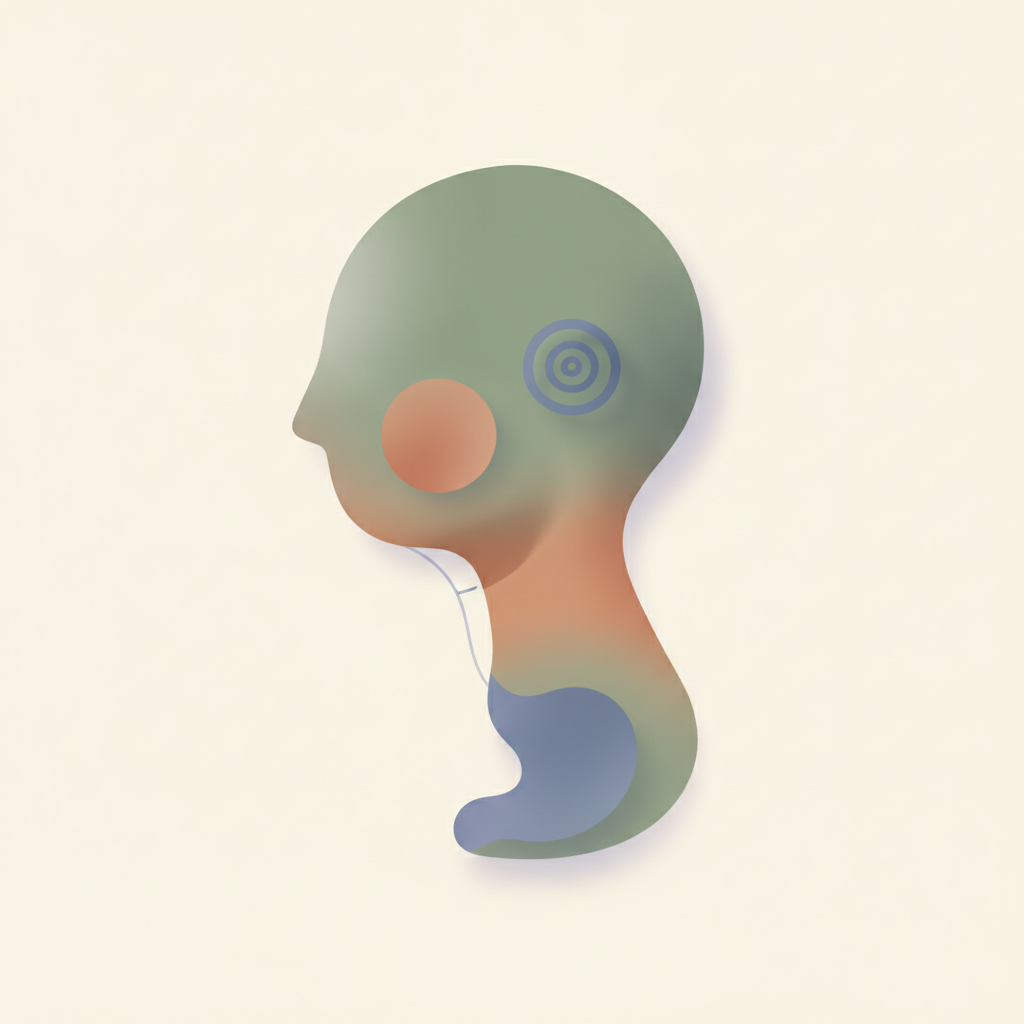
Silent reflux causing ear-related symptoms surprises a lot of people, since the ear seems anatomically unrelated to the digestive system, but the connection runs through shared drainage and pressure pathways in the head and throat.
How reflux can affect the ears
The eustachian tube, which connects the middle ear to the back of the throat, can become irritated or have its normal drainage affected by acid reaching that area during silent reflux episodes. This can contribute to a sensation of ear fullness, mild discomfort, or in some cases contribute to recurring middle ear issues, particularly in children whose eustachian tubes are more horizontally positioned and prone to drainage issues generally.
Why this connection is often missed
Ear symptoms are usually first evaluated by looking for a straightforward ear infection or allergy-related cause. Reflux as an underlying contributor is often considered later, particularly if standard ear treatments haven't fully resolved symptoms or if the ear issues are recurring without a clear infectious cause each time.
When it's worth raising with a doctor
Recurring ear fullness or discomfort alongside other possible silent reflux signs — throat clearing, hoarseness, a chronic cough — is a pattern worth mentioning explicitly, since it may prompt a doctor to consider LPR as part of the picture rather than treating the ear symptoms in isolation.