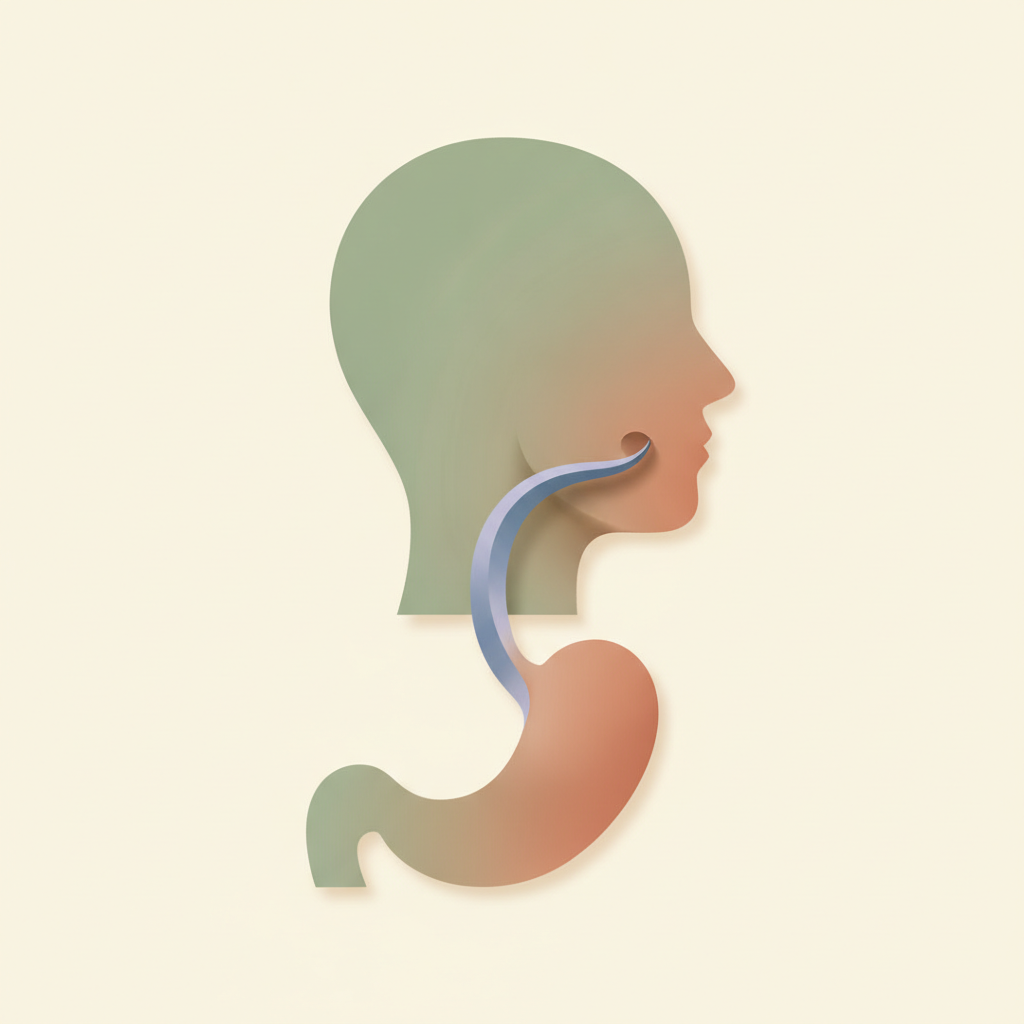

Silent reflux in infants can be harder to recognize than typical infant reflux, since the more obvious sign — visible spit-up — is often minimal or absent, even though acid is still reaching the throat and airway.
Signs that may point to silent reflux in a baby
Frequent coughing, a hoarse cry, congestion or noisy breathing not explained by a cold, arching the back during or after feeds, unusual fussiness specifically around feeding times, and poor weight gain despite adequate feeding volume are all patterns worth mentioning to a pediatrician.
Why it's often missed
Because the classic sign parents associate with infant reflux is visible spit-up, silent reflux can be attributed to colic, a feeding issue, or a cold for longer than typical reflux would be, simply because the acid isn't visibly coming back up.
What to do if you suspect it
Keeping a simple log of feeding times, symptoms, and their timing relative to feeds gives a pediatrician useful information to work with. This isn't something to self-diagnose or self-treat — infant reflux, silent or otherwise, should be evaluated and managed with a pediatrician's guidance given how different infant physiology and appropriate treatment are from adult reflux management.